
 Photo: Bernd Brundert
History of the Friedrichstadt-Palast
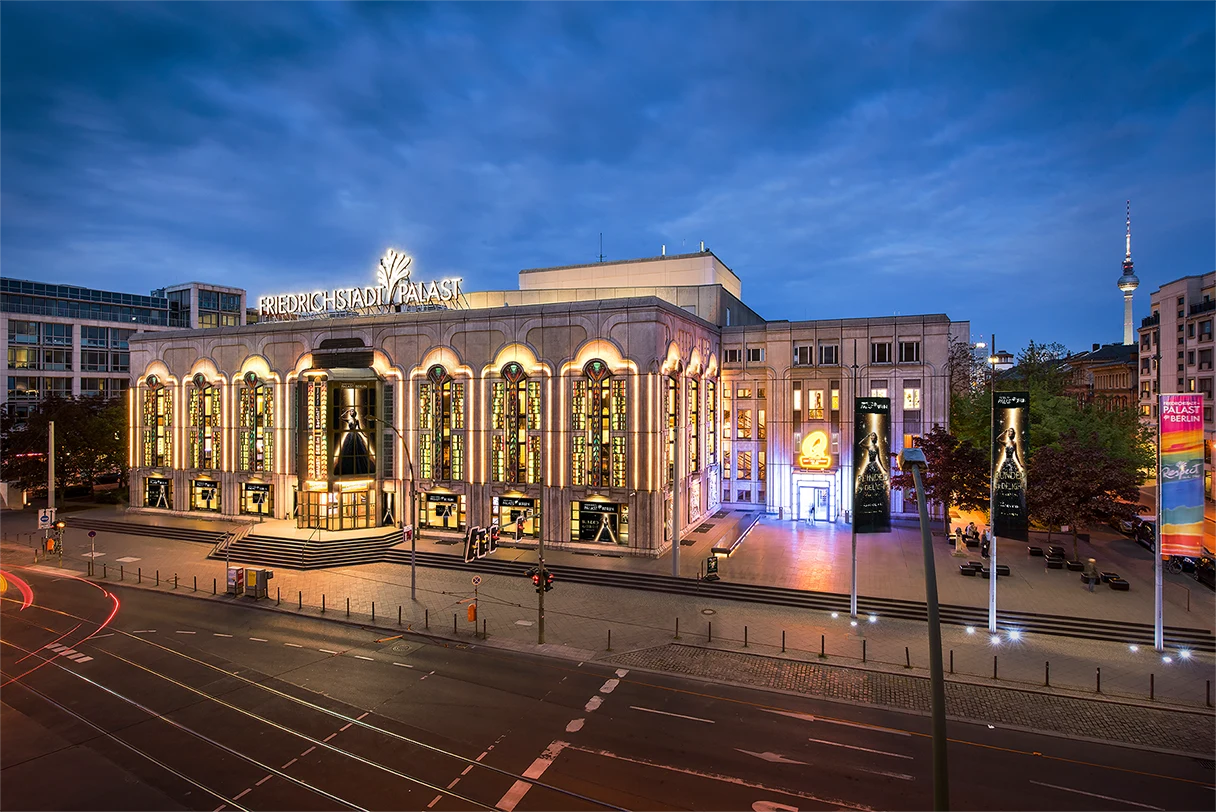
The Friedrichstadt-Palast in Berlin looks back on over 150 years of history: a market hall built in 1867 became a circus, then the famous Grand Theater. After suffering war damage and decades of use as a revue theater, the old building was demolished in 1980 due to the risk of collapse. In 1984, the current Friedrichstadt-Palast opened as a new GDR building on Friedrichstraße, featuring the world's largest theater stage.
Today, the Palast is considered Europe's largest revue theater. It combines the tradition of an eventful past with modern grand shows, high-tech productions, and sparkling costumes. If you want to experience spectacular shows, glamour, and impressive stage sets in Berlin, there's no way around it. Here you can find out how it all began and how you can save money on tickets with the EasyCityPass Berlin.
- History begins in the 19th century
- The famous “Girlreihe” (girl line)
- Destruction during the war and a new beginning in the GDR
- A stage for film, television, and series
- The Friedrichstadt-Palast Berlin today
- Discount on Friedrichstadt-Palast tickets
The Friedrichstadt-Palast in the 19th century
When was the Friedrichstadt-Palast built?
The origins of what later became the Friedrichstadt-Palast date back to a market hall built in 1867, which was converted into a circus and variety theater in the 1870s. The current Friedrichstadt-Palast, however, was built as a modern new structure in the GDR and opened in East Berlin in 1984.
What was the Friedrichstadt-Palast in the past?
Before the Friedrichstadt-Palast became a revue theater, it was first a market hall, then a circus arena, and finally the famous Großes Schauspielhaus theater. Under various names, the building served as a market hall, circus, operetta theater, and revue theater, reflecting the entire cultural history of Berlin since the 19th century.
Where was the old Friedrichstadt-Palast located?
The old Friedrichstadt-Palast stood on the banks of the Spree near Friedrichstraße station. Today's palace is located just a few hundred meters further north on Friedrichstraße. This means that it is closely linked to its predecessor in terms of location, even though it is a completely new building in architectural terms.
The Friedrichstadt-Palast in the 1920s
Under the name “Großes Schauspielhaus” (Grand Theater), the venue quickly became a cultural hotspot in Berlin.
Theater reformer Max Reinhardt played a central role in this development: from 1919 onwards, he turned the theater into one of the most important stages in Germany. He achieved this primarily with the help of innovative productions, large-scale mass scenes, and modern stage technology. But opulent revues and huge ensembles also laid the foundation for the Friedrichstadt-Palast to become a symbol of artistic experimentation and spectacular revue art. The Palast experienced its first heyday in the Golden Twenties and became known throughout Europe.
The Friedrichstadt-Palast as a stalactite cave
Star architect Hans Poelzig was responsible for the building's extraordinary architecture. His expressionist design, featuring striking hanging cones on the ceiling, quickly earned the old Friedrichstadt-Palast the nickname “stalactite cave.” Visitors joked that the high ceilings and dim lighting were reminiscent of a bizarre cave landscape. This nickname reflected the idiosyncratic charm and special atmosphere that Poelzig had created – long before the palace became an international grand show stage.
Kickline: The Famous “Girl Row”
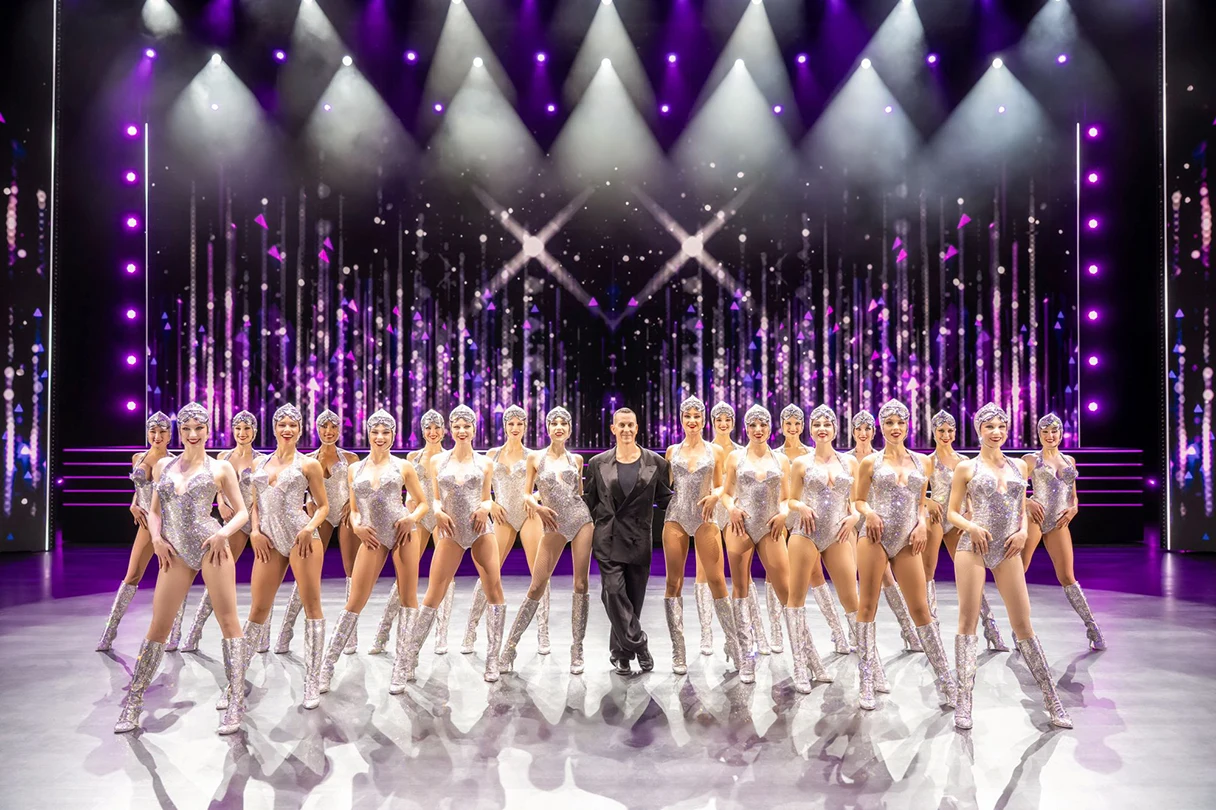 Photo: Markus Nass
Another iconic element of Friedrichstadt-Palast history is the legendary line of girls – also known as the kickline – which has been one of the most popular moments in the Grand Shows for over 100 years.
The dance number has its origins in the 1920s, when artistic director Erik Charell presented a revue at the former “Großen Schauspielhaus” in which the British Tiller Girls performed in perfect synchrony. The Berliners popularly called the effect number simply “Girl Line” because, then as now, the dancers move across the stage in long, perfectly choreographed rows – legs high, synchronisation perfect – a breathtaking sight.
Today, the Kickline in many shows consists of over 30 dancers who combine tradition and modern performance – a highlight that visitors eagerly await.
War and a new beginning in the GDR
The National Socialists initially closed Max Reinhardt's Großes Schauspielhaus on April 2, 1933, but reopened it in January 1934 under the name “Theater des Volkes” (Theater of the People). The new name reflected the cultural policy aspirations of those in power and marked a phase in which the theater was used for operettas and large-scale revue productions under political influence. Until 1944, the Theater des Volkes was the Third Reich's largest propaganda and operetta stage.
The Second World War also left its mark on the history of the Friedrichstadt-Palast. The original building was severely damaged, but continued to be used for decades, from 1947 under its current name, Friedrichstadt-Palast.
Why was the old Friedrichstadt-Palast demolished?
In the 1970s, the condition of the building deteriorated dramatically. In 1980, the old building finally had to be closed due to the acute danger of collapse. This was because the foundations of the building, which had been set on oak planks in the alluvial sand, had shifted due to the subsoil on the banks of the Spree. The buildinvg had already subsided by half a meter. As a result, it was demolished and replaced by the new building on Friedrichstraße.
In 1984, the current new building opened in East Berlin. The new Friedrichstadt-Palast became a prestigious project for the GDR and impressed with its modern architecture and stage equipment that was highly innovative at the time.
After the fall of the Berlin Wall, the Palast continued to develop into an internationally oriented grand show stage and is now an integral part of Berlin's cultural landscape.
Friedrichstadtpalast History and Film – Stage for Screen, Television, and Series
 Photo: Cottonbro Studio / Pexels
The history of the Friedrichstadtpalast is not only closely linked to theater and revue—film, television, and streaming productions have also used the palace as a backdrop.
As early as the 1920s, the former “Große Schauspielhaus” was part of Berlin's vibrant cultural scene, which also shaped German cinema. Directors such as Fritz Lang and UFA used the imposing architecture as inspiration for films such as Metropolis.
The palace still serves as a filming location today. It is particularly well known for the Netflix series The Queen's Gambit, in which the palace was shown as the “Aztec Palace Hotel” in Mexico City – its magnificent architecture provided the perfect backdrop for one of the key scenes.
In addition, the palace is regularly used for TV galas, cultural and historical documentaries, and recordings of major show productions, making it part of German film and series history.
The Friedrichstadt-Palast Berlin today – Modern Grand Shows
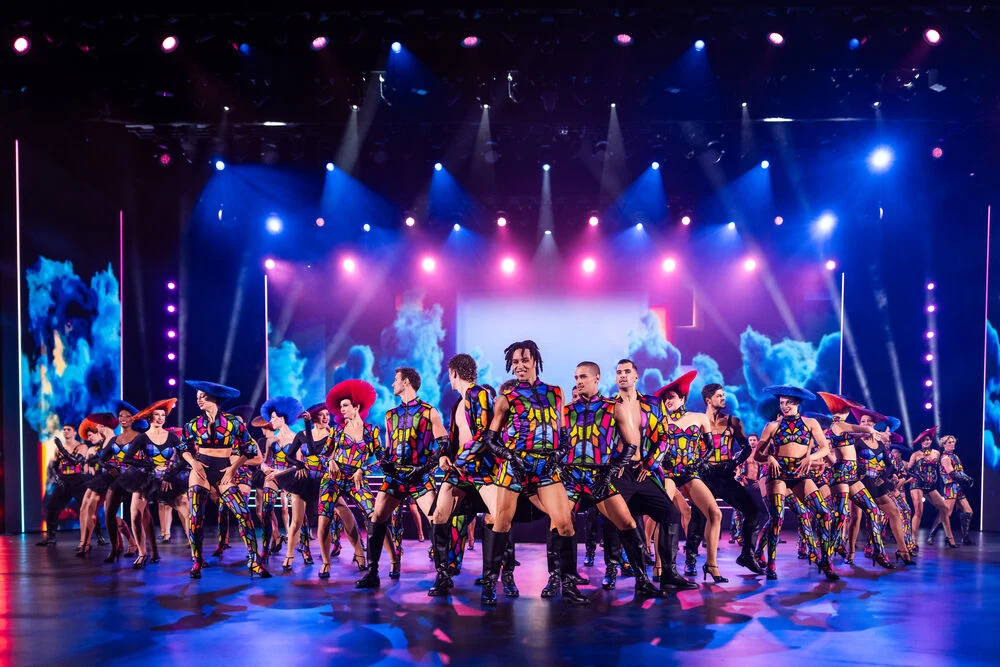 Photo: Nady El Tounsy
Today, the palace is known for spectacular grand shows featuring:
- Over 100 artists on stage
- Breathtaking acrobatics
- Elaborately designed costumes
- State-of-the-art lighting, stage, and sound technology
With a stage area of around 2,854 m², it is considered the largest theater stage in the world. Each show is developed exclusively for the venue, a true Berlin original.
The combination of tradition and innovation keeps the history of the Friedrichstadt-Palast alive to this day.
EasyCityPass Berlin benefit – discount on Friedrichstadtpalast tickets
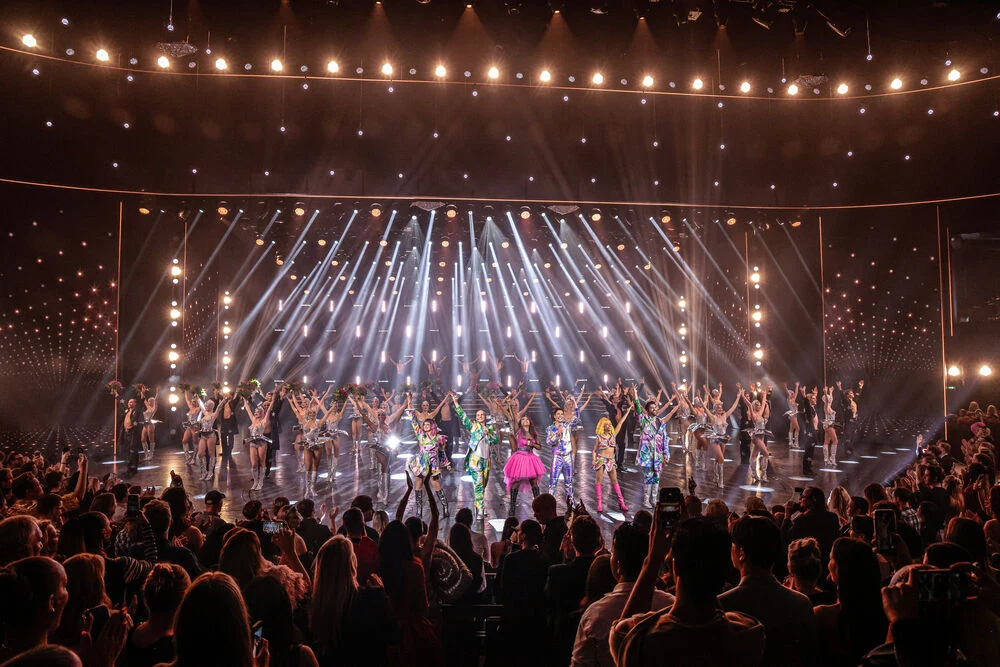 Photo: Sebastian Kirchner
The palace is an official discount partner of EasyCityPass Berlin.
For you, this means:
- Receive a 10% discount on ticket prices in price categories 4 to 1+*.
- Book your ticket conveniently by phone (030 / 2326 2326), by email (tickets@palast.berlin), or at the theater box office with the keyword “EasyCityPass.”
- The EasyCityPass Berlin must be presented when picking up your ticket.
- *The offer is valid subject to availability for all BLINDED by DELIGHT Grand Show performances. It does not apply to special events, is not valid between December 24 and 31, and cannot be combined with other discounts. Subject to change without notice.
This way, you can enjoy world-class entertainment and save money on your trip to Berlin at the same time.
Tip: Read our article “How to use the EasyCityPass Berlin” for all the details about discounts and benefits.
Conclusion: Experience history at the Friedrichstadtpalast and discover the glamour of Berlin
The history of the Friedrichstadt-Palast is a fascinating chapter in Berlin's cultural history. From its beginnings in the 19th century through the Golden Twenties and the GDR era to modern high-tech grand shows, the Palast has been synonymous with great stage moments for over 150 years.
With the EasyCityPass Berlin, you can combine culture, history, and entertainment—and also benefit from attractive discounts. Buy your EasyCityPass Berlin directly in our online shop!
Our tip: Combine your evening show with a stroll along Friedrichstraße or discover other cultural highlights in Berlin, making your stay unforgettable.