 Photo: Kathleen E., Pexels
Creepy, gloomy, and mysterious places in Berlin
12 Places That Will Give You Goosebumps
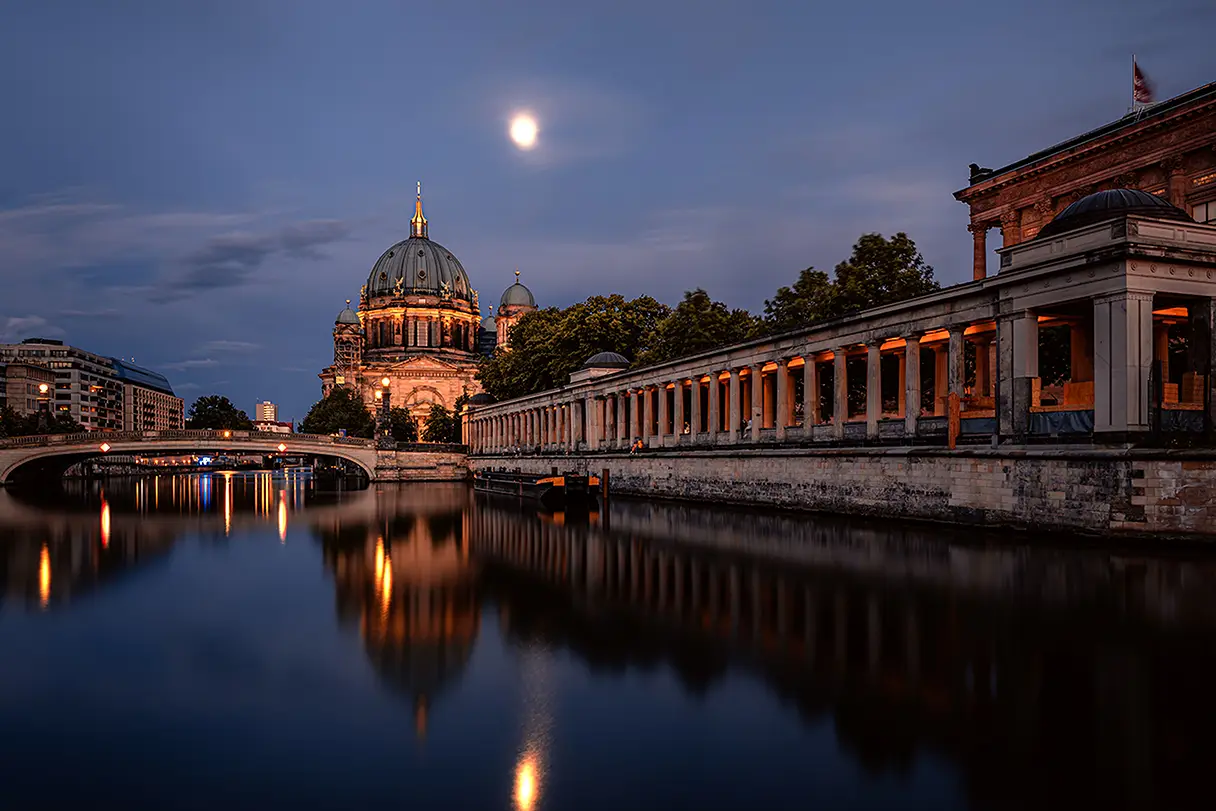
Berlin has many faces: lively neighborhoods, major landmarks, fascinating museums, and a rather dark side. From old cemeteries and abandoned sites to underground bunkers and places with a turbulent history, the capital is full of spots that can send a chill down your spine.
Some places are genuinely eerie, while others tell stories of tragic events or dark chapters in Berlin’s history. And then, of course, there are the places where the spooky atmosphere is deliberately staged.
We’ll take you to 12 spooky places in Berlin: from genuine “lost places” and historic sites to attractions for anyone who enjoys a little scare.
- Berlin Dungeon: Berlin's History That Will Give You the Chills
- Teufelsberg: A “lost place” with a history of espionage
- Berlin's Underground Worlds: Goosebumps Beneath the City
- Grunewald-Forst Cemetery: The “Cemetery of the Nameless”
- Old St. Matthew’s Cemetery: Berlin History Among Ancient Graves
- Stasi Museum: When Real History Gives You Goosebumps
- Berlin Kriminal Theater: Murder and Psychological Thrillers on Stage
- Disgusting Food Museum: Disgust Instead of Horror
- Graues Kloster: The Legend of the Limping Monk
- Museum of Natural History: When the Collection Suddenly Becomes Eerie
- Teufelssee: Where the Devil Himself Is Said to Have Left His Mark
- The Hohenzollern Crypt in Berlin Cathedral: Amongst Magnificent Coffins and Prussian History
1. Berlin Dungeon: Berlin's History That Will Give You the Chills
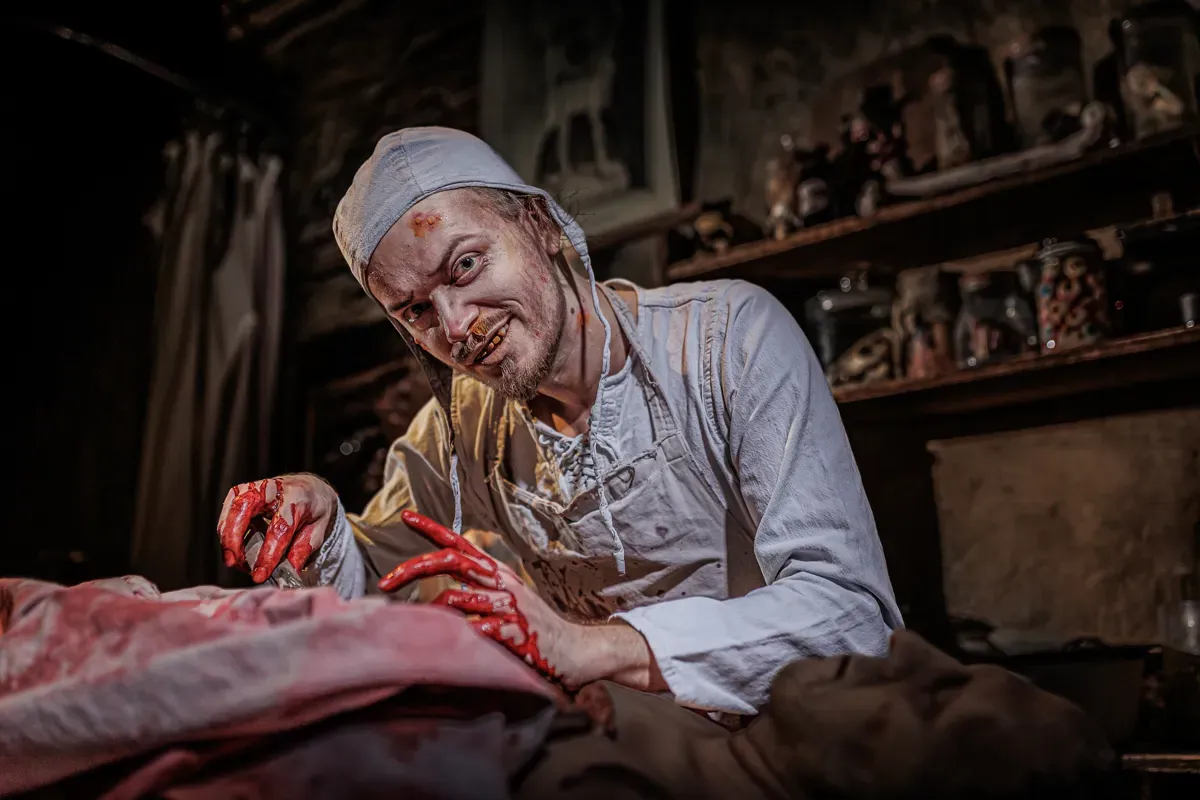 Photo: Berlin Dungeon
If you ever want to experience Berlin at its darkest, there’s hardly any way around the Berlin Dungeon. In a roughly 70-minute journey through time, you’ll travel through several centuries of Berlin’s history—and it’s anything but a cozy experience.
Actors bring historical figures and events back to life. Among other things, you’ll encounter the plague, a torture chamber, the White Lady, and the notorious serial killer Carl Großmann. There’s also a maze, a raft ride, and an indoor free-fall tower.
The Berlin Dungeon combines historical facts with acting, special effects, and plenty of dark humor. It’s perfect for anyone who wants to spice up their visit to Berlin with a good dose of goosebumps.
EasyCityPass Tip: The Berlin Dungeon is an EasyCityPass Berlin partner. With your EasyCityPass Berlin, you’ll receive a 15% discount on the regular ticket price. This offer is available exclusively online via this link.
Address: Spandauer Straße 2, 10178 Berlin
Directions: U2, U5, U8 to Alexanderplatz; S3, S5, S7, S9 to Hackescher Markt; Alexanderplatz; M4, M5, M6 to Spandauer Str. / Marienkirche; 100, 200, M48 to Spandauer Str. / Marienkirche
2. Teufelsberg: A “lost place” with a history of espionage
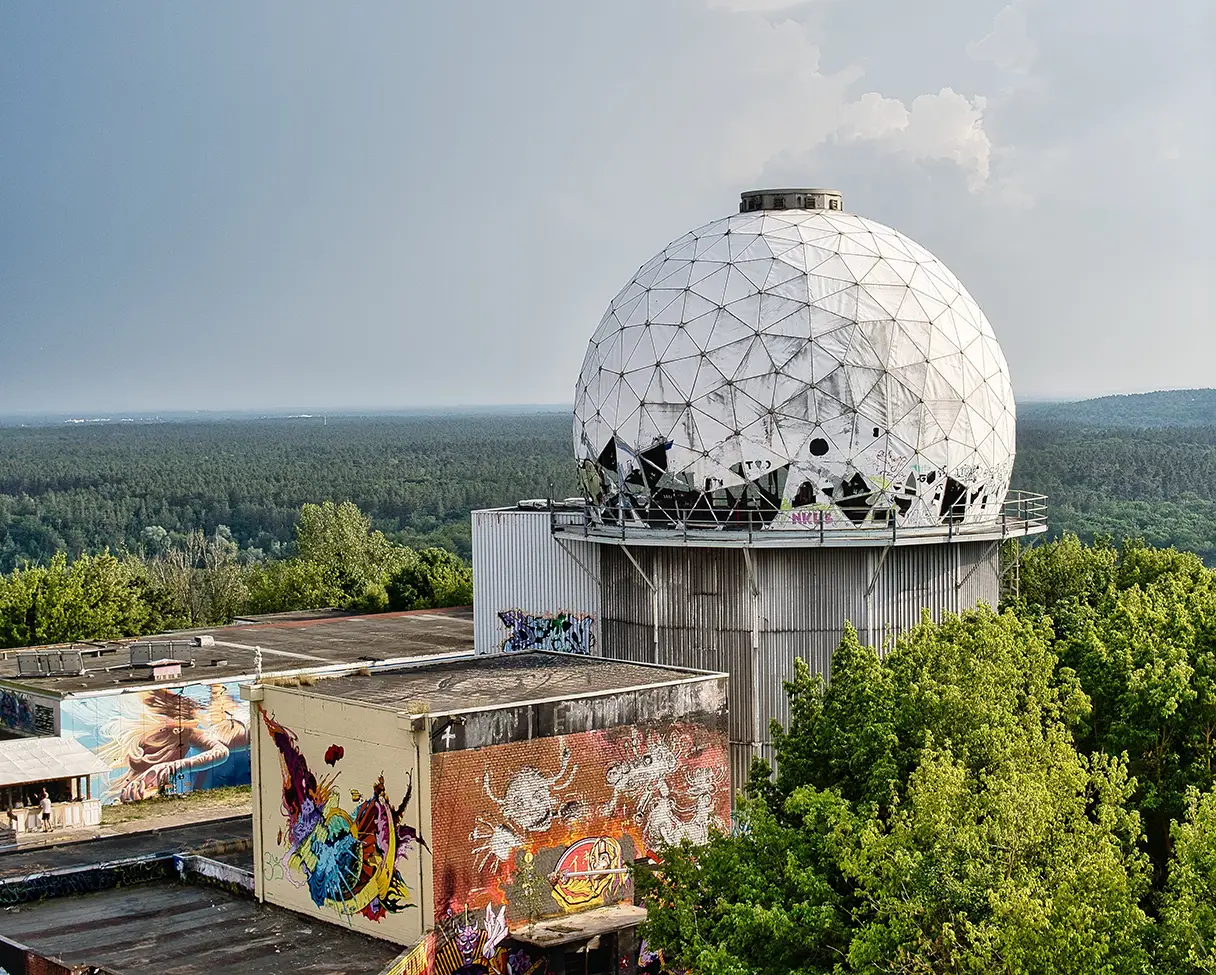 Photo: Travel with lenses, Pexels
In the heart of Grunewald stands one of Berlin’s most unusual places: the Teufelsberg. This hill, about 120 meters high, was created from rubble after World War II. At its summit stands the former eavesdropping station of the U.S. and British allies.
During the Cold War, radio communications in the Eastern Bloc were monitored from here. After the end of the Cold War, the station was abandoned. Today, the striking radar domes and the partially dilapidated buildings symbolize a very different kind of Berlin.
Especially on a gloomy autumn day or at dusk, the former spy facility takes on a rather mystical air. At the same time, Teufelsberg is now a major hub for street art and offers an impressive view over Berlin.
The site is open to the public; guided tours are also available.
Address: Teufelsseechaussee 10, 14193 Berlin
Directions: Take the S3 or S9 to Heerstraße or the S7 to Grunewald; from there, it’s about 2 km (about a 30-minute walk) on foot
3. Berlin's Underground Worlds: Goosebumps Beneath the City
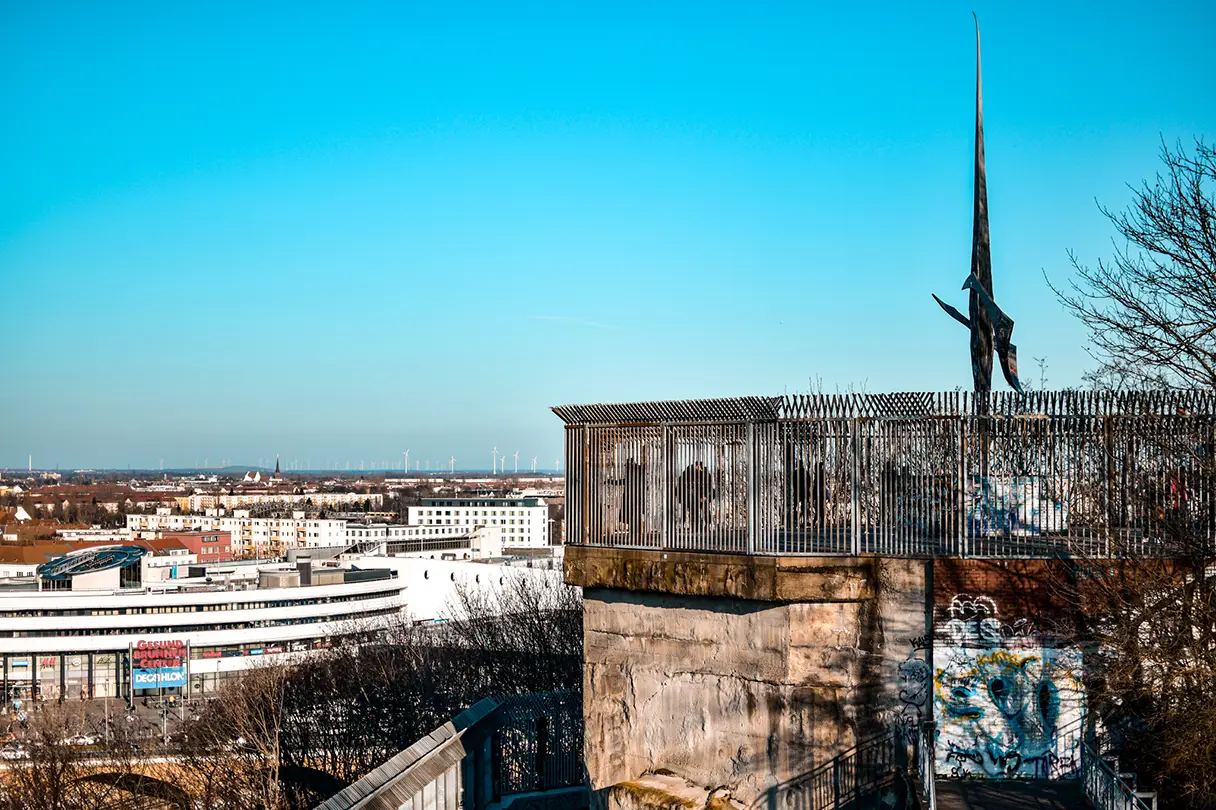 Photo: Stefanie Jost
Berlin’s eventful history isn’t limited to the surface. Hidden beneath the city’s streets lies a second world of bunkers, tunnels, and underground facilities.
The Berliner Unterwelten association offers various guided tours through Berlin’s underground. These tours explore, among other things, World War II bunkers, Cold War facilities, and escape tunnels beneath the Berlin Wall.
What makes these tours special is that they don’t focus on artificially created horror. The sites themselves are authentic testimonies to Berlin’s history. Dark corridors, massive concrete walls, and the stories of the people who used these facilities naturally create a unique atmosphere.
Tip: The various tours differ significantly from one another. Be sure to check in advance which tour suits your interests and age group. Some tours have a minimum age requirement.
Meeting point: Varies depending on the tour
4. Grunewald-Forst Cemetery: The “Cemetery of the Nameless”
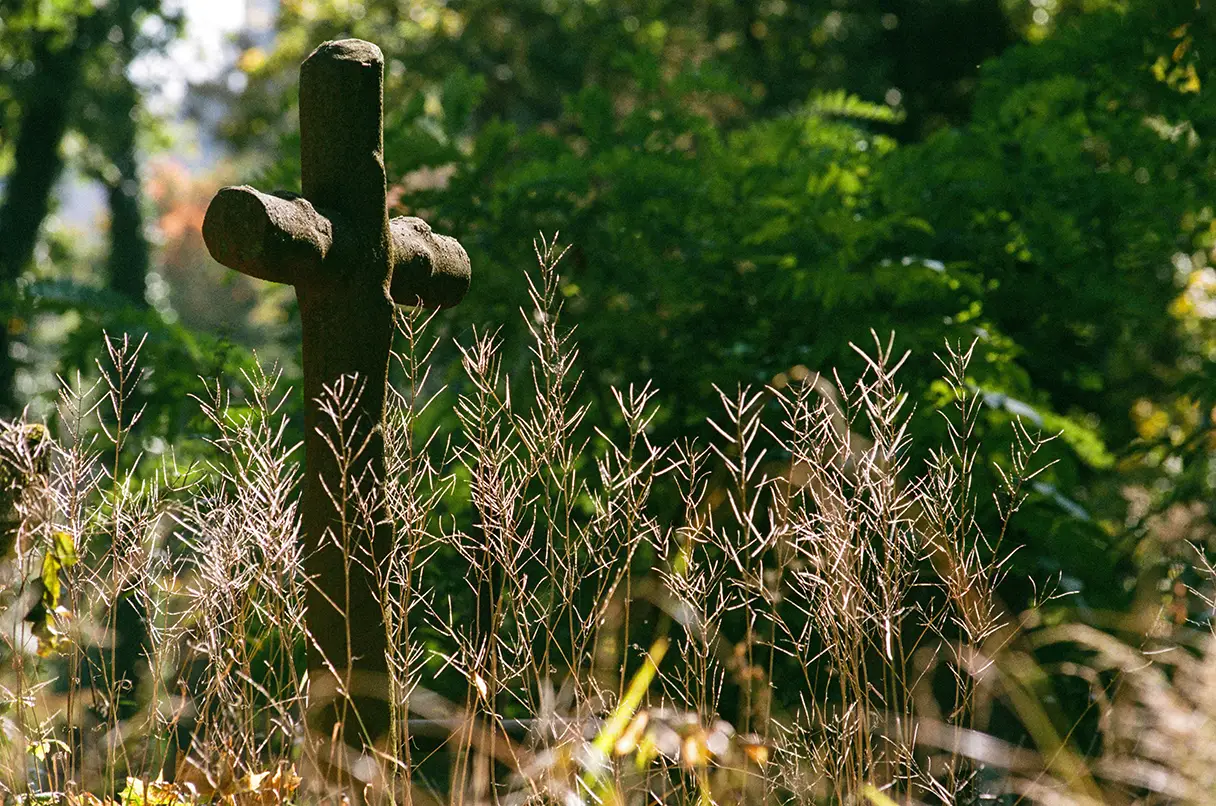 Photo: Algrey, Pexels
In the heart of the Grunewald lies a small cemetery whose history could hardly be more unusual. The Grunewald-Forst Cemetery was established in 1879 for unidentified deceased persons. It is commonly known as the “Cemetery of the Nameless” or the “Suicide Cemetery” because it was once the burial site for unidentified bodies recovered from the forest or the Havel River, as well as for people who were denied a Christian burial in regular churchyards due to suicide.
Today, the cemetery is a quiet and idyllic place. It is precisely this contrast that makes it so special: simple headstones and crosses stand among tall trees, while the forest begins all around.
The cemetery is also known for the grave of the singer Nico (Christa Päffgen), who became famous, among other things, as a member of The Velvet Underground. She is buried there next to her mother.
Since 2018, no new burials have taken place at the small forest cemetery. The grounds are open to the public and are considered a peaceful, historic site in western Berlin. Therefore, horror should not be the focus here. The cemetery is a place of remembrance and should be visited with due respect.
Address: Havelchaussee 92B, 14193 Berlin
Directions: Take bus M49 or 218 to the Schildhorn stop. From the stop, walk about 10 to 15 minutes along the forest path parallel to Havelchaussee until you reach the cemetery’s wooden entrance gate.
5. The Old St. Matthew’s Cemetery: Berlin’s History Amid Ancient Graves
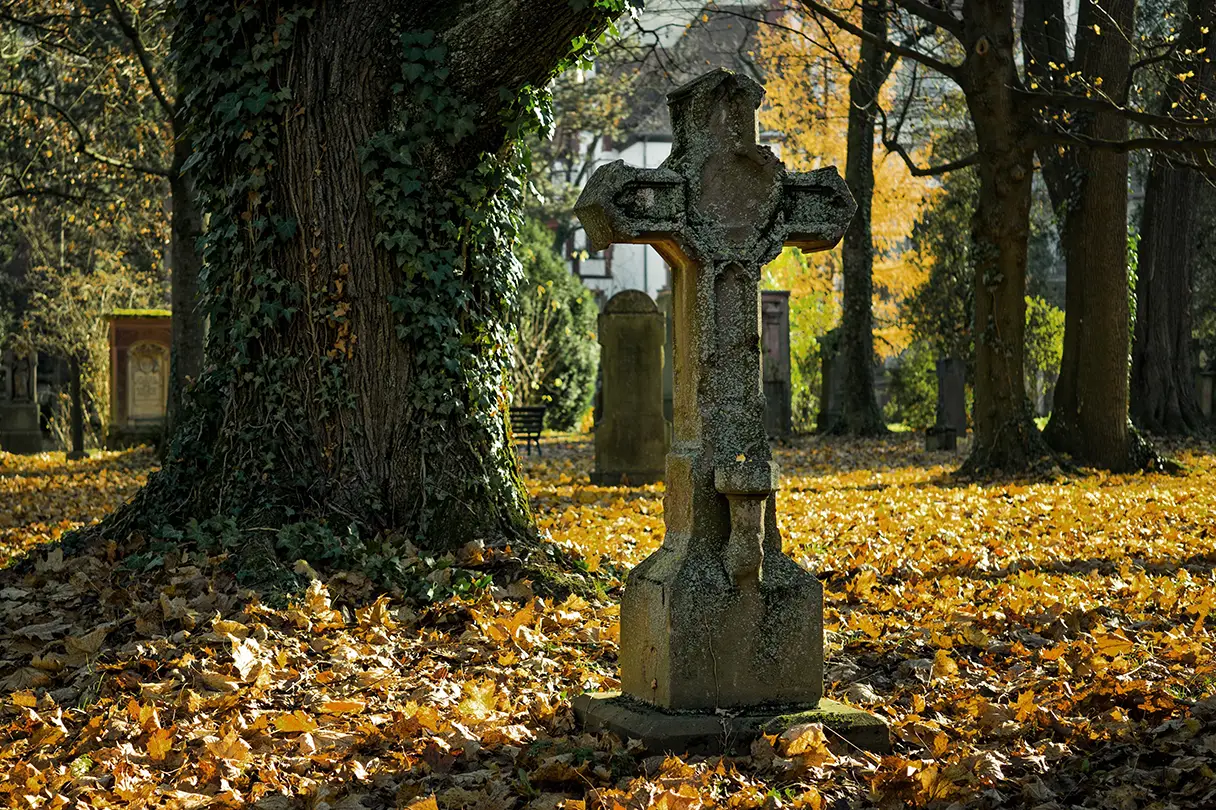 Photo: Autumn, Pexels
The Old St. Matthew’s Cemetery in Schöneberg is also one of Berlin’s most atmospheric cemeteries. It was dedicated in 1856 and is now considered one of the city’s historically significant cemeteries. The cemetery is part of the St. Matthew’s parish, located in the southern Tiergarten district—known in the 19th century as “Untere Friedrichsvorstadt”—in the area of today’s Kulturforum, which was also referred to as the “Millionaires’ Quarter” until the end of World War II. Among others, wealthy merchants, artists, scientists, and high-ranking civil servants lived there.
Amid old graves, trees, and historic tombs, you’ll encounter numerous traces of Berlin’s history here. Among others, the graves of Rudolf Virchow, Rio Reiser, and the Brothers Grimm are located on the grounds.
Anyone interested in Berlin’s history will therefore discover much more here than just a “spooky place.” Especially on a foggy autumn day, however, the cemetery undoubtedly takes on an atmosphere all its own.
Address: Großgörschenstraße 12–14, 10829 Berlin
Directions: S1, S2, U7, M19 to Yorckstraße, then about a 7-minute walk from there
6. Stasi Museum: When Real History Gives You Goosebumps
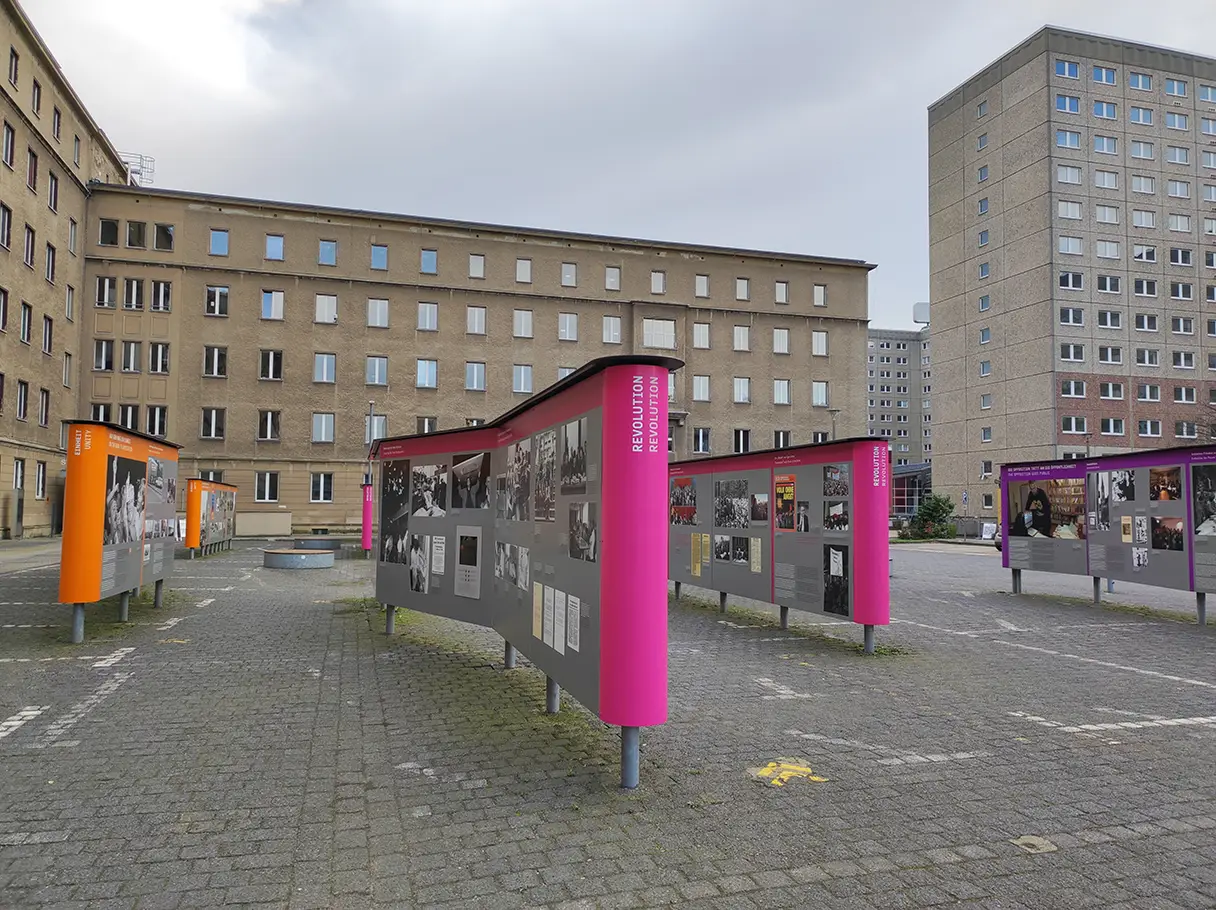 Photo: Stefanie Jost
Not every spooky place needs ghost stories. Sometimes reality itself is eerie enough.
The Stasi Museum is located in Building 1 of the former headquarters of the Ministry for State Security of the GDR in Lichtenberg. Here you can see, among other things, original workrooms and the office of the former Minister for State Security, Erich Mielke, which have been preserved largely in their original condition since 1990.
Original surveillance technology, hidden cameras, listening devices, and the preserved office spaces provide a firsthand glimpse into how the GDR secret police operated. For a self-guided tour, you can also rent an audio guide (available in German, English, French, Italian, Spanish, Swedish, or Polish).
This makes the museum an interesting addition to an article about creepy places: It’s not about horror here, but about the oppressive history of a surveillance state.
Address: Normannenstraße 20, Building 1, 10365 Berlin
Directions: U5 Magdalenenstraße
7. Berlin Crime Theater: Murder and Psychological Thrillers on Stage
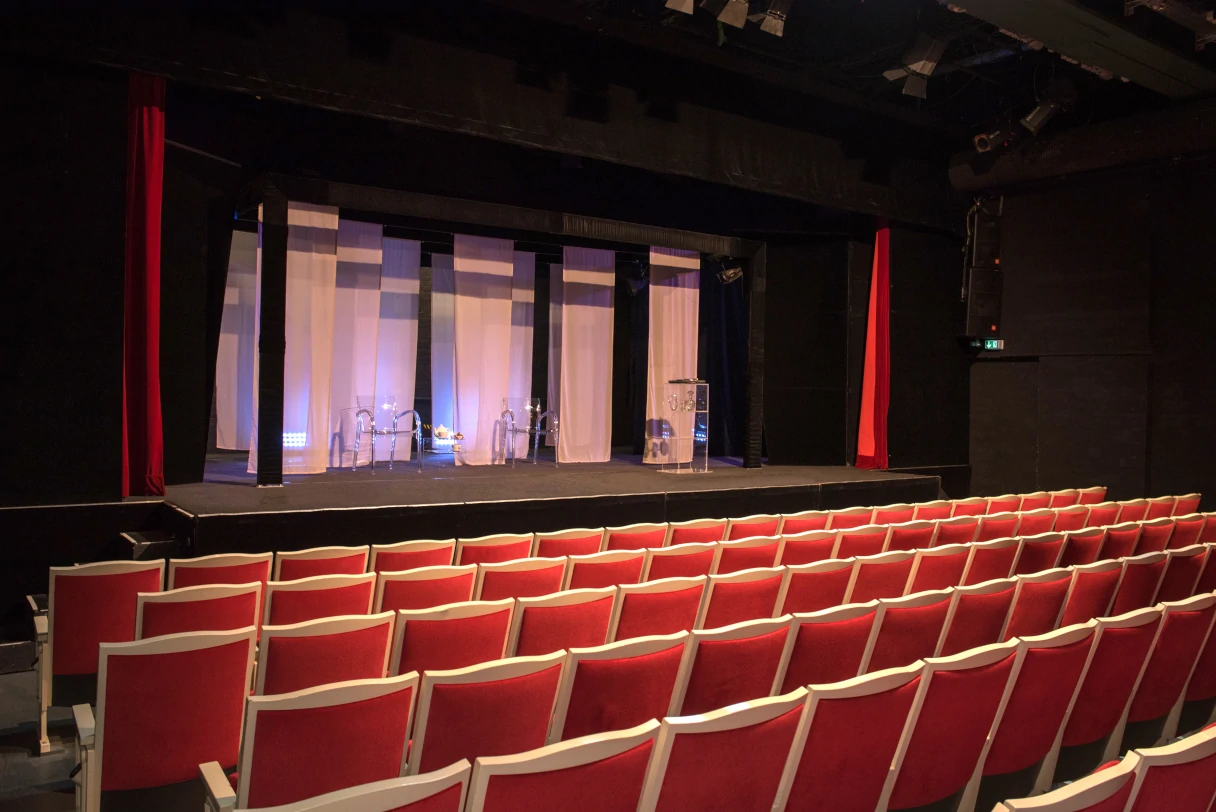 Photo: Berliner Kriminal Theater
A gunshot, a scream, and suddenly the question arises: Who was the culprit?
At the Berliner Kriminal Theater, everything revolves around crime, investigations, and gripping stories. The repertoire includes crime classics, thrillers, and psychological thrillers, among other genres.
In this way, the theater brings a different kind of thrill to Berlin: Here, you aren’t part of a horror attraction yourself, but instead experience murder and mystery from the comfort of the audience.
EasyCityPass Tip: The Berliner Kriminal Theater is one of the current EasyCityPass Berlin partners. With the pass, you currently get a 25% discount on performances in price groups 1 and 2.
Address: Palisadenstraße 48, 10243 Berlin
Directions: U5 Weberwiese
8. Disgusting Food Museum: Disgust Instead of Horror
 Photo: DFM
A creepy feeling doesn’t always have to involve ghosts or abandoned buildings. Sometimes, just the sight of a particularly questionable snack is enough.
The Disgusting Food Museum Berlin is all about foods that are considered particularly disgusting in various parts of the world. More than 90 unusual foods are on display. In some cases, you can even smell or taste them.
The museum also explores the question of why we find certain things disgusting while others seem completely normal to us.
This makes the museum a more lighthearted take on our “spooky” theme and a great option for anyone who finds ghosts and cemeteries a bit too much.
EasyCityPass Tip: With the EasyCityPass Berlin, you get 25% off the full-price ticket.
Address: Schützenstraße 70, 10117 Berlin
Directions: U6 Stadtmitte, M29 Charlotten
9. The Gray Monastery: The Legend of the Limping Monk
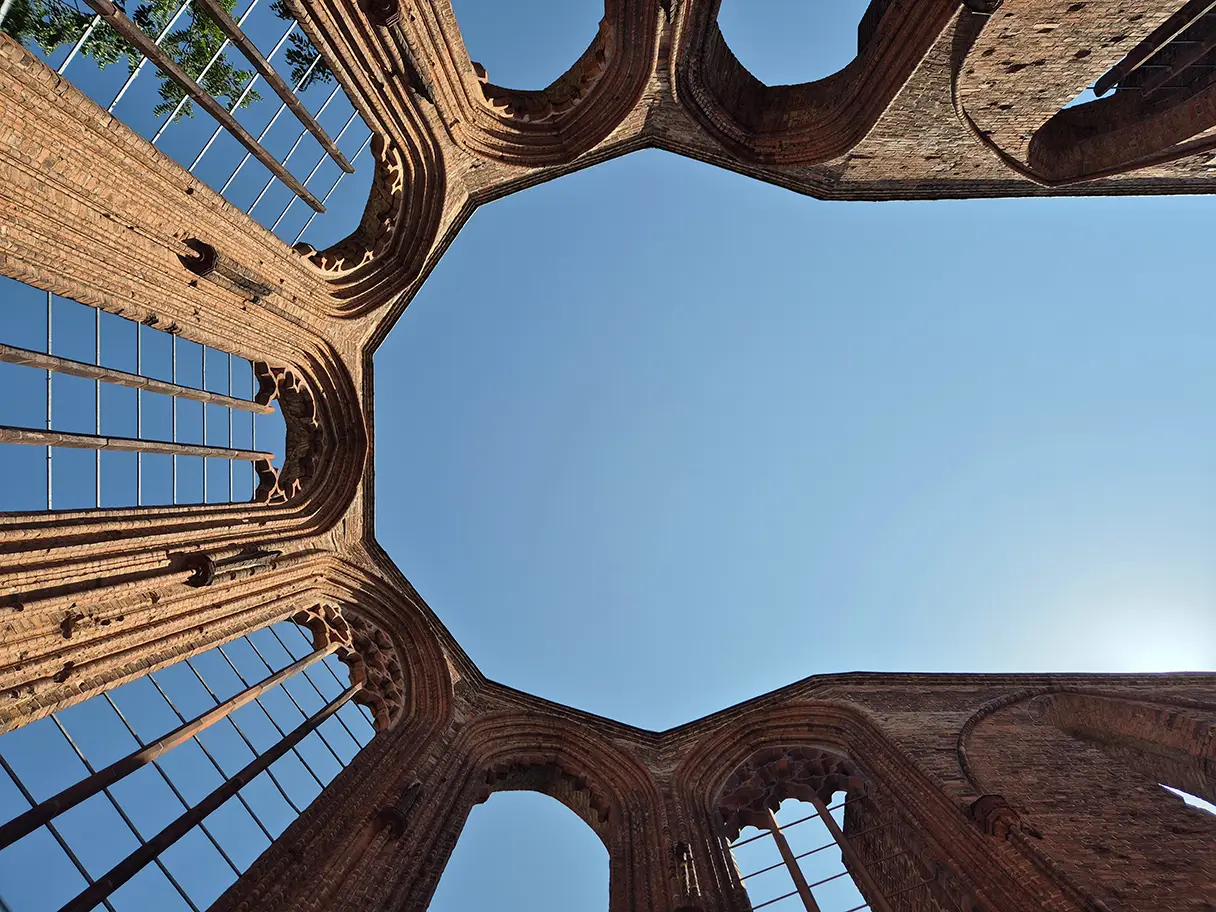 Photo: New1one, Pixabay
In the heart of Berlin, the remains of the former Franciscan monastery serve as a reminder of a bygone era. The ruin is one of the most important examples of Brick Gothic architecture in the region and was once the church of the local Franciscan monastery, which was called the “Gray Monastery” because of the color of the brothers’ habits. The church is possibly the oldest building in old Berlin that has been preserved in its original form. Today it is a historic landmark and has been used for cultural events since the 1980s.
And, of course, there’s a fitting ghost story to go with it.
According to legend, the so-called Father Roderich, a limping monk, is said to haunt the old walls of the monastery. The story tells of a quarrel with his own son and a cruel punishment.
Whether you believe in ghosts or not, the remaining walls of the former Franciscan monastery create an unusual atmosphere right in the heart of the city.
Location: Klosterstraße, Berlin-Mitte
Directions: M4, M5, M6, U2, S3, S5, S7, S9 to Alexanderplatz
10. Museum of Natural History: When the Collection Suddenly Becomes Creepy
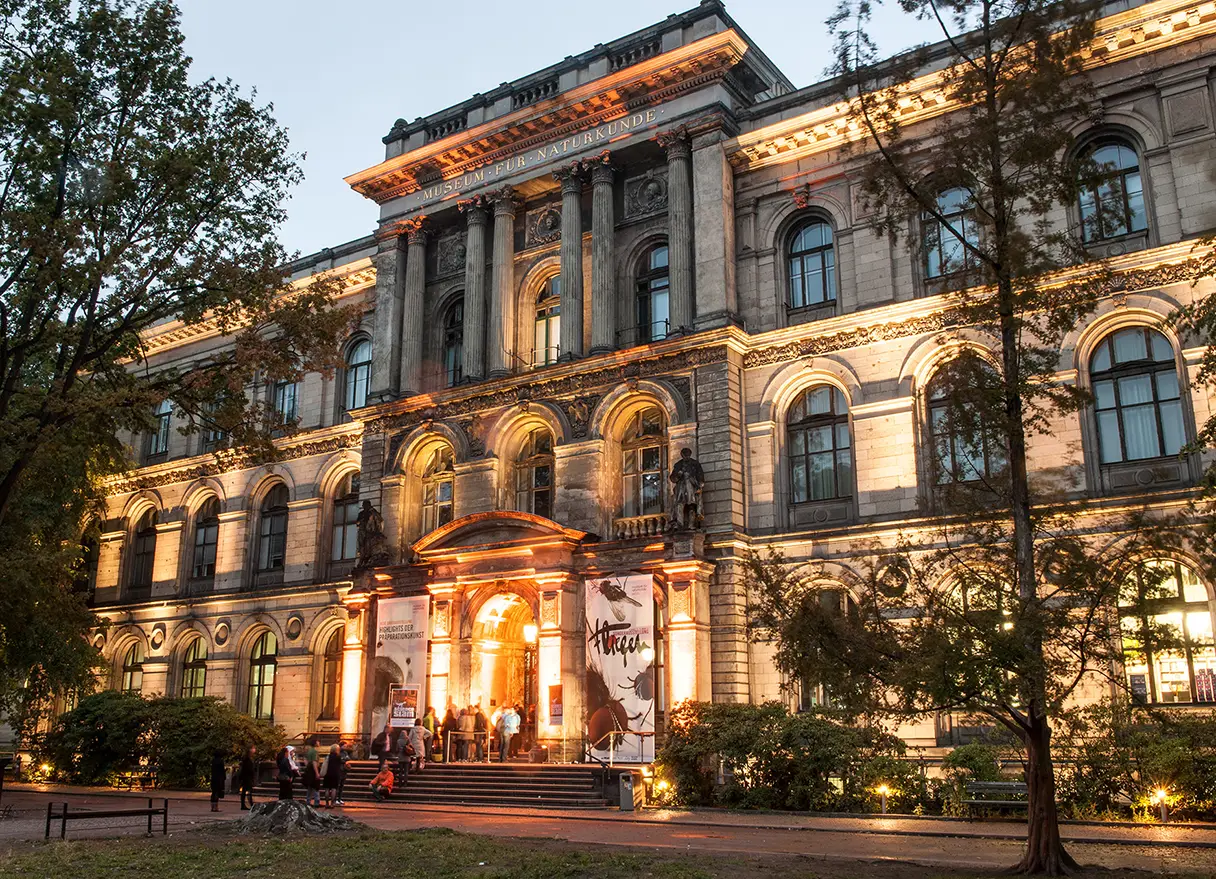 Photo: Carola Radke / Museum für Naturkunde Berlin
The Museum für Naturkunde Berlin is one of Berlin’s best-known museums. At first glance, dinosaur skeletons and impressive research collections don’t necessarily seem creepy.
One section, however, can leave a very different impression: The scientific collections contain numerous specimens, including animals and other biological objects preserved in liquid.
If the sight of jars containing preserved amphibians, reptiles, and other specimens gives you a slight case of goosebumps, you shouldn’t skip this section during your visit.
Address: Invalidenstraße 43, 10115 Berlin
Directions: U6, M5, M8, M10, M12, Bus 245 to Naturkundemuseum subway station; S5, S7 to Hauptbahnhof; S1, S2 to Nordbahnhof; Bus 120, 123, 142, 245 to Invalidenpark
11. Teufelssee: Where the Devil Himself Is Said to Have Left His Mark
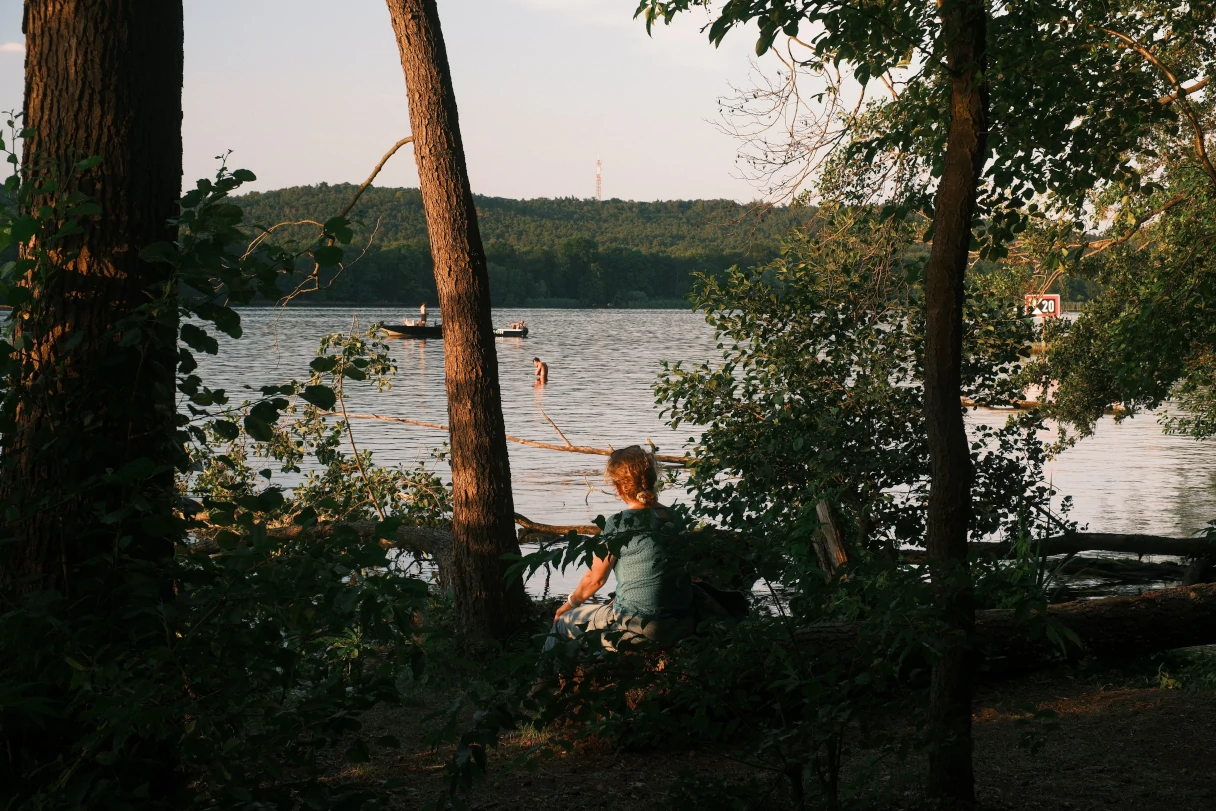 Photo: Felipe Souza Melo, Pexels
The name says it all: Teufelssee (Devil’s Lake). This small lake lies in the heart of the Grunewald and is surrounded by forest and marshland. Especially on gray autumn days or when fog settles over the water, the atmosphere here can feel quite eerie.
But where does this unusual name actually come from? The Teufelssee in the Grunewald likely owes its name to a prehistoric place of worship or sacrifice from pagan times, which people in ancient times believed to be located there. Various stories and legends also surround the Teufelssee. One of them tells that the Devil himself was associated with the place. The lake and the surrounding landscape were considered mysterious and difficult to access—ideal conditions, then, for stories about supernatural forces.
The eerie atmosphere isn’t entirely coincidental, however: Teufelssee is situated in the heart of the Grunewald and borders the Teufelsfenn, a protected marshland area. Together with the dense forest, this creates a landscape that stands in stark contrast to many of Berlin’s well-known sights.
Visitors to Teufelssee can also combine their trip with a walk through the Grunewald. Just a few minutes away lies the Teufelsberg with its former eavesdropping station (see point 2). Both locations can therefore be easily combined. And who knows—maybe the forest does indeed seem a little bit eerier than usual after dusk.
By the way: Teufelssee should not be confused with the lake of the same name in Berlin’s Köpenick district.
Address: Teufelsseechaussee, 14193 Berlin
Directions: Take the S3 or S9 to Heerstraße or the S7 to Grunewald; from there, it’s about 2 km (about a 30-minute walk) on foot
12. The Hohenzollern Crypt in Berlin Cathedral: Amongst Magnificent Coffins and Prussian History
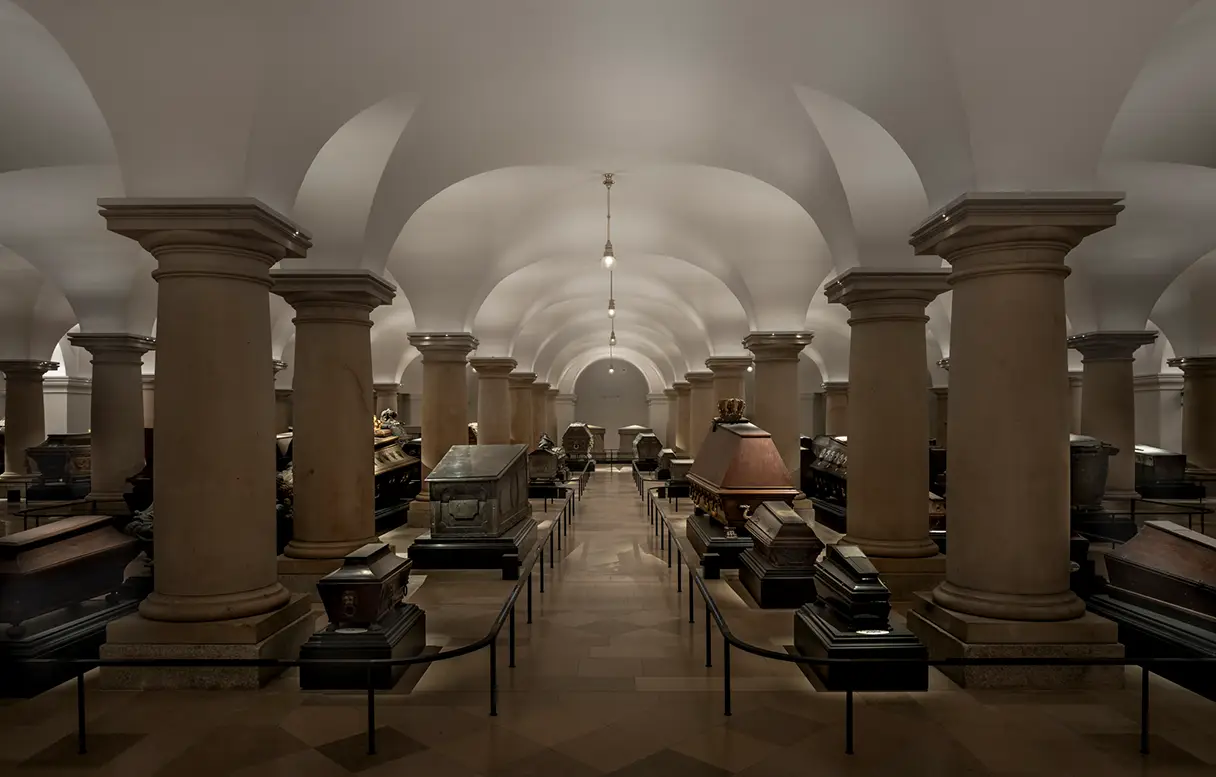 Photo: Alexandra Sell / Berliner Dom
Beneath Berlin Cathedral lies one of the city’s most unusual sites: the Hohenzollern Crypt, one of Europe’s most significant dynastic burial sites. Following extensive restoration work, it has been open to the public again since March 1, 2026.
Ninety-one members of the House of Hohenzollern are buried here, including electors, kings, and their families. Among the well-known figures are the Great Elector, King Frederick I, Sophie Charlotte, and Queen Elisabeth Christine. The coffins and tombs chronicle some 500 years of Brandenburg-Prussian history.
The variety of coffins and tombs is particularly impressive: alongside simple examples are elaborately decorated ceremonial coffins made of stone, metal, and wood. Some of the historic wooden coffins are lined with velvet or brocade. Traces of World War II are also visible, as the crypt was severely damaged by bomb hits, the collapse of the main dome, and fire. Some coffins were nearly destroyed in the process.
The Hohenzollern Crypt is not “spooky” in the traditional sense. However, the atmosphere beneath Berlin Cathedral, the historic coffins, and the direct encounter with several centuries of burial history make the site an unusual destination for anyone interested in the darker side of Berlin’s history.
Those who wish to delve even deeper into the history of the burial site can take a special guided tour of the Hohenzollern Crypt.
Address: Berlin Cathedral, Am Lustgarten, 10178 Berlin
Directions: U5 to Museumsinsel, U2, U8 to Alexanderplatz, S3, S5, S7, S9 to Hackescher Markt, M4, M5, M6 to Spandauer Straße, 100, 300 to Museumsinsel
Goosebumps guaranteed: What kind of “creepy” person are you?
 Photo: Levent Simsek, Pexels
Berlin offers a surprising number of opportunities to get a scare—and it doesn’t always have to be Halloween.
For true horror fans:
→ Berlin Dungeon
For fans of abandoned places:
→ Teufelsberg
For history buffs:
→ Berliner Unterwelten, Stasi Museum, Sachsenhausen Memorial, monastery ruins, or the Hohenzollern Crypt
For museum lovers:
→ Museum of Natural History, Berlin
For fans of a gloomy atmosphere:
→ Grunewald-Forst Cemetery or Alter St.-Matthäus-Kirchhof
For mystery fans:
→ Berliner Kriminal Theater
For a bit of gross-out fun instead of horror:
→ Disgusting Food Museum
And if you’d like to explore several of these places at once, the EasyCityPass Berlin is a handy companion: You can use it to ride Berlin’s public transit system and save money on numerous tourist attractions and experiences. Current partners include the Berlin Dungeon, the Berlin Crime Theater, the Disgusting Food Museum, and Original Berlin Walks. You can buy the EasyCityPass Berlin directly in our online shop!
Berlin also has a dark side
The creepiest places in Berlin aren’t necessarily the ones where you’ll encounter a ghost. Often, they’re the very places with a real history: former bunkers, abandoned facilities, cemeteries, or sites of political and social events.
That’s exactly what makes Berlin so exciting. Behind many unassuming facades and in the middle of seemingly ordinary neighborhoods lie stories that are easy to overlook on a typical sightseeing day.
So, keep your eyes open on your next walk through Berlin—you might discover the capital’s darker side when you least expect it.