
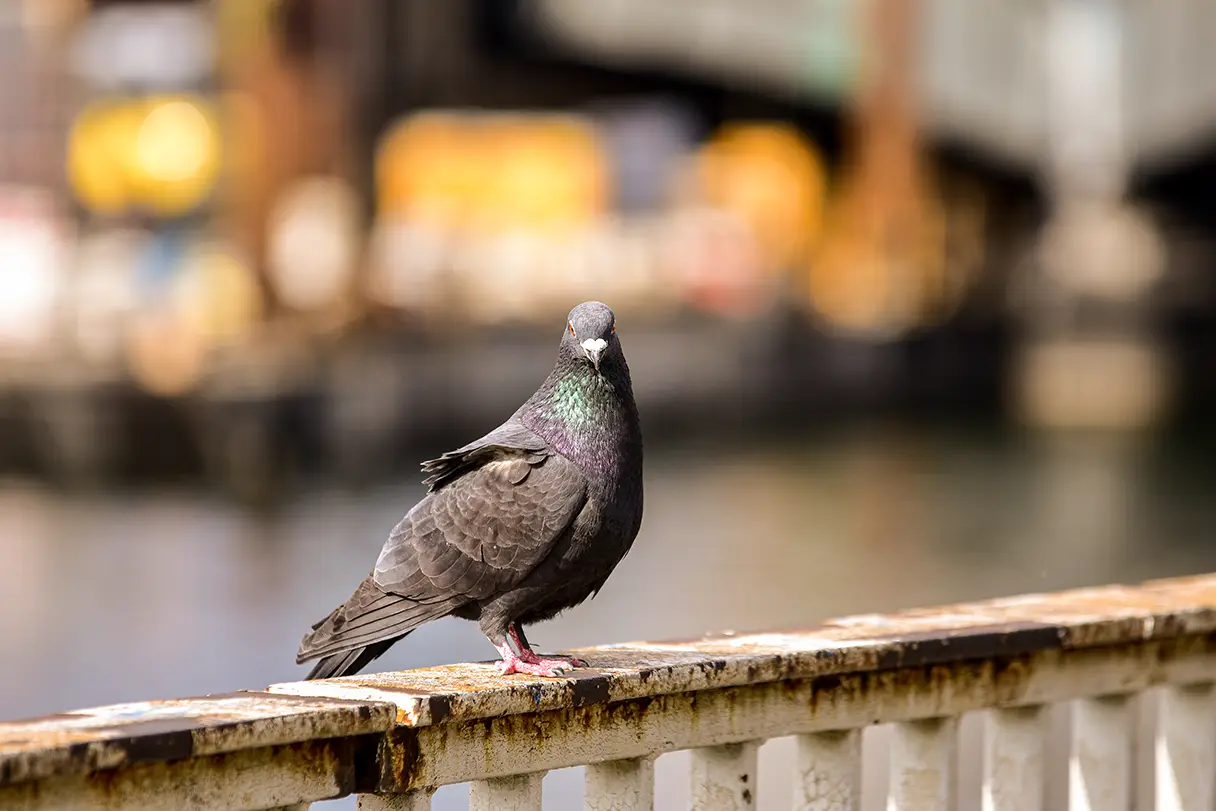
 Photo: Stefanie Jost
Discovering Wildlife in Berlin: Foxes, Wild Boars, and Nature
Wildlife in Berlin – Why the Capital Offers So Much Nature
Berlin is a city full of contrasts: world-famous landmarks, lively neighborhoods, and, at the same time, a surprising amount of nature. About one-third of the city’s area consists of green spaces, forests, and bodies of water.
This structure creates ideal habitats for wildlife and makes Berlin one of the greenest cities in Europe. Large, contiguous natural areas such as the Grunewald, the Tegeler Forst, and the Müggelberge meet directly with urban neighborhoods here. This creates a unique habitat where the city and nature blend seamlessly.
In this article, you’ll learn which wild animals live in Berlin, where you can spot them, what rules you should follow, and what surprising animal stories the capital has already produced.
- What wild animals live in Berlin?
- Where can you spot wild animals in Berlin?
- Wild Animals in Berlin’s Parks – Nature in the Heart of the City
- The 5 best places to spot wild animals in Berlin
- Berlin Tips: The Perfect Combination of Wildlife and Sightseeing
- Are There Wolves in Berlin?
- Berlin Wildlife Emergency Hotline – What to Do If You Find Injured or Helpless Animals?
- Feeding? – No, Thanks!
- Curious Wildlife Stories from Berlin
- The Berlin Bear – The City’s Symbol
What wild animals live in Berlin?
In Berlin, approximately 59 species of wild mammals and over 100 species of birds have been recorded. Many animals have adapted to city life and can even be found in parks and residential areas. Berlin’s “Big Five”—wild boars, foxes, stone martens, wild rabbits, and raccoons—live right in the heart of the capital. Thanks to the mild climate and ample food, the animal populations have grown significantly, and these animals are often seen in parks, gardens, or even on the streets.
Wild Boars in Berlin
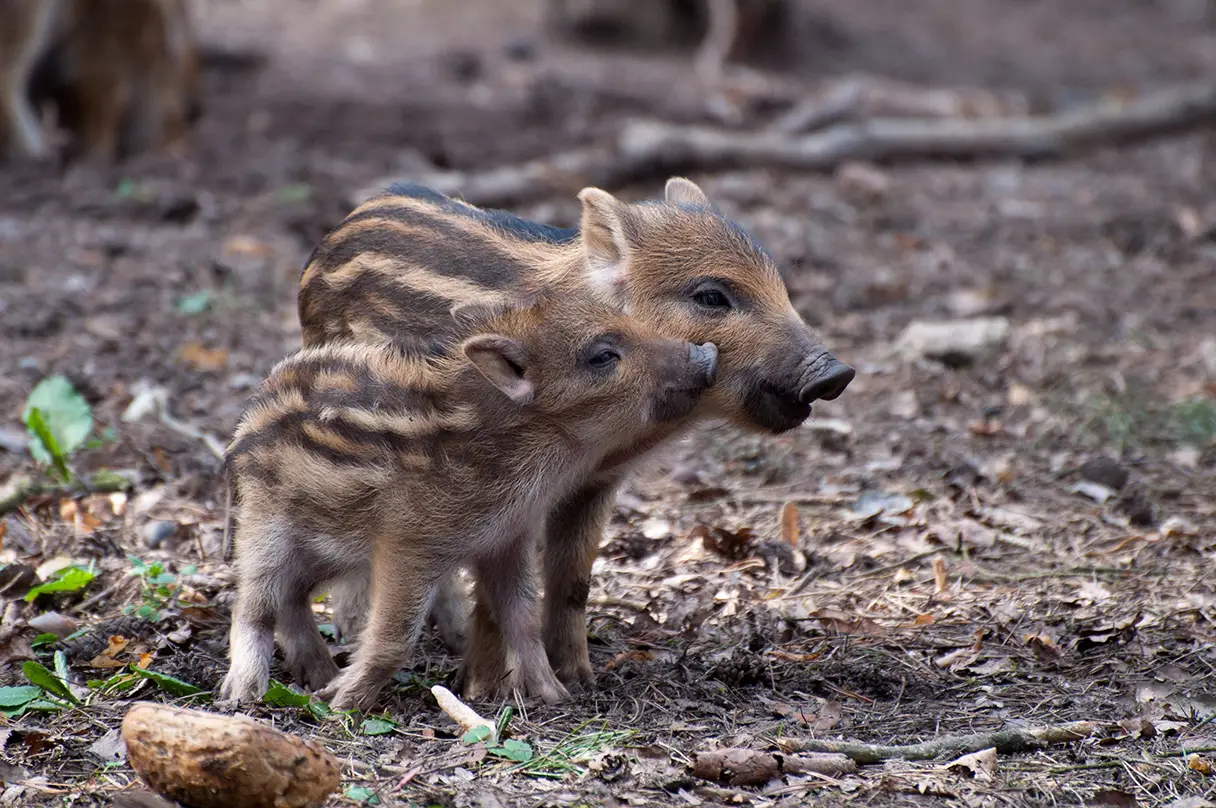 Photo: Oliver Voelker, Pixbaby
Wild boars are among the city’s best-known wild animals. According to estimates, several thousand of them live within Berlin’s city limits.
Facts:
- live in family groups (packs)
- are omnivores
- are active mainly at night and at dusk
- are highly adaptable to urban environments
They are particularly common in Grunewald and neighboring wooded areas. Important: Never feed wild boars, and keep your distance.
Foxes in Berlin – City Dwellers on Silent Paws
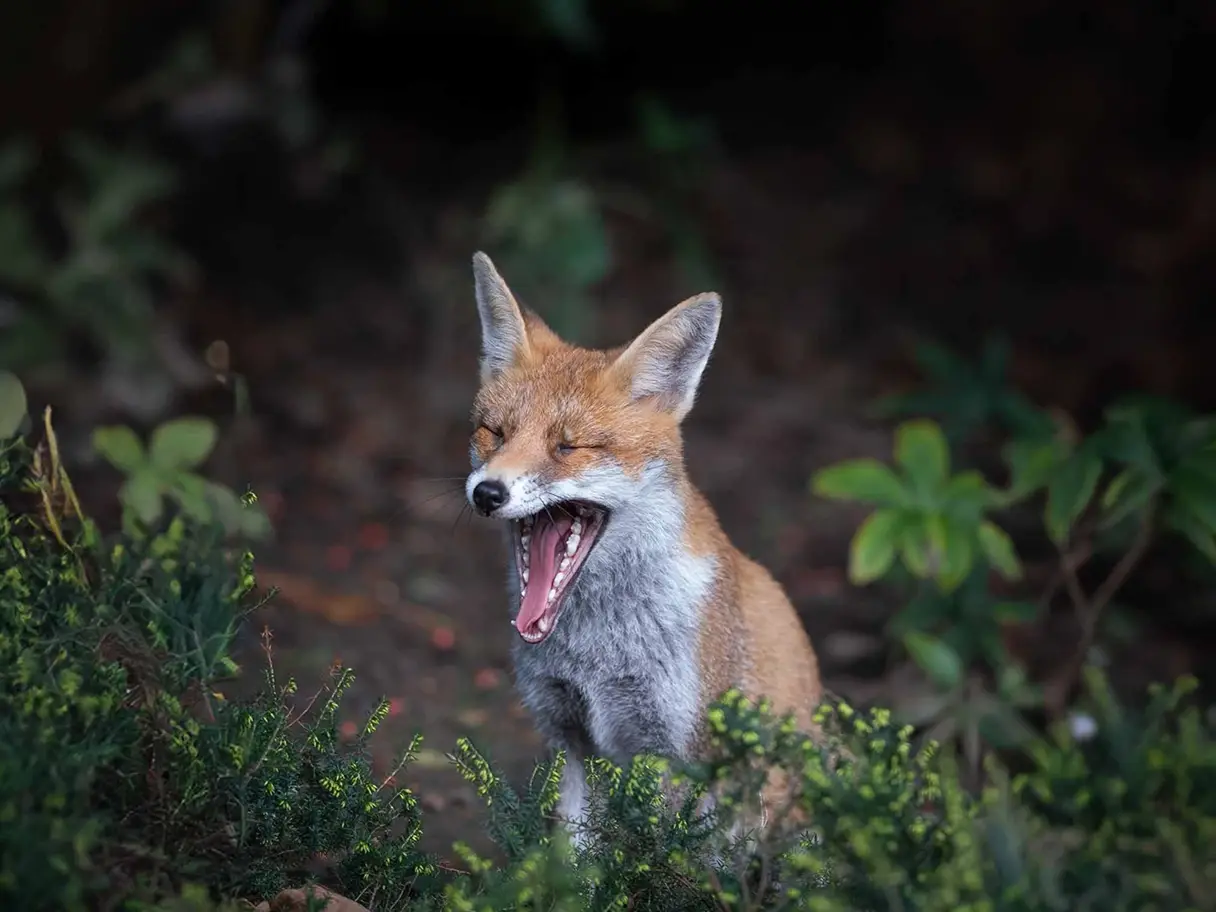 Photo: Affzm, Pixabay
Foxes are widespread in Berlin and live in both parks and residential areas.
Facts:
- active at dusk and at night
- very shy
- extremely adaptable
- feed on mice, fruit, and scraps
With a little luck, you might spot them early in the morning in the Tiergarten or in quiet parks. Foxes don’t just live in forests; they’re regularly seen in residential areas like Kreuzberg, Prenzlauer Berg, and Charlottenburg. Sometimes even during the day.
Raccoons, Deer, and Squirrels in Berlin
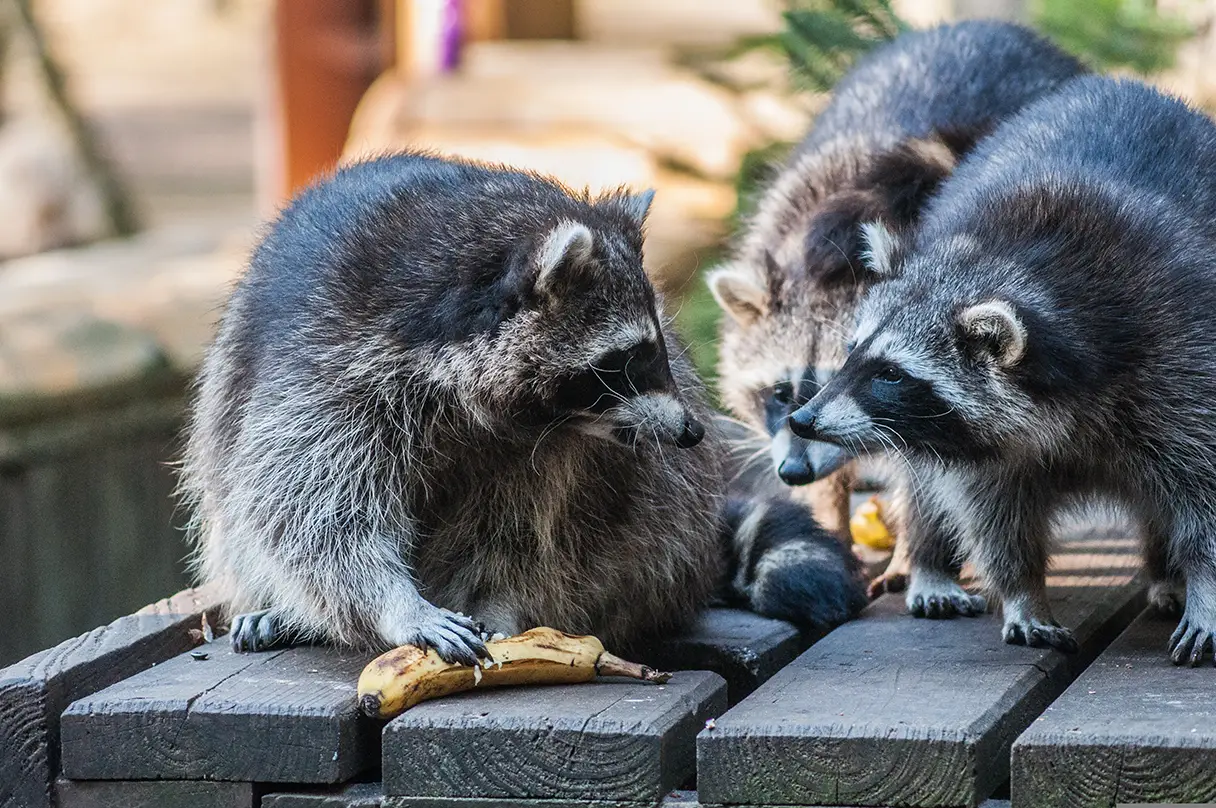 Photo: Stefan, Pixabay
Raccoons have become regular urban residents and are most active at night. They are often spotted in attics or backyards. Deer live mainly in larger forested areas such as Grunewald and Tegeler Forst.
Squirrels and wild rabbits, on the other hand, are often seen right in the parks.
Beavers and Bats in Berlin
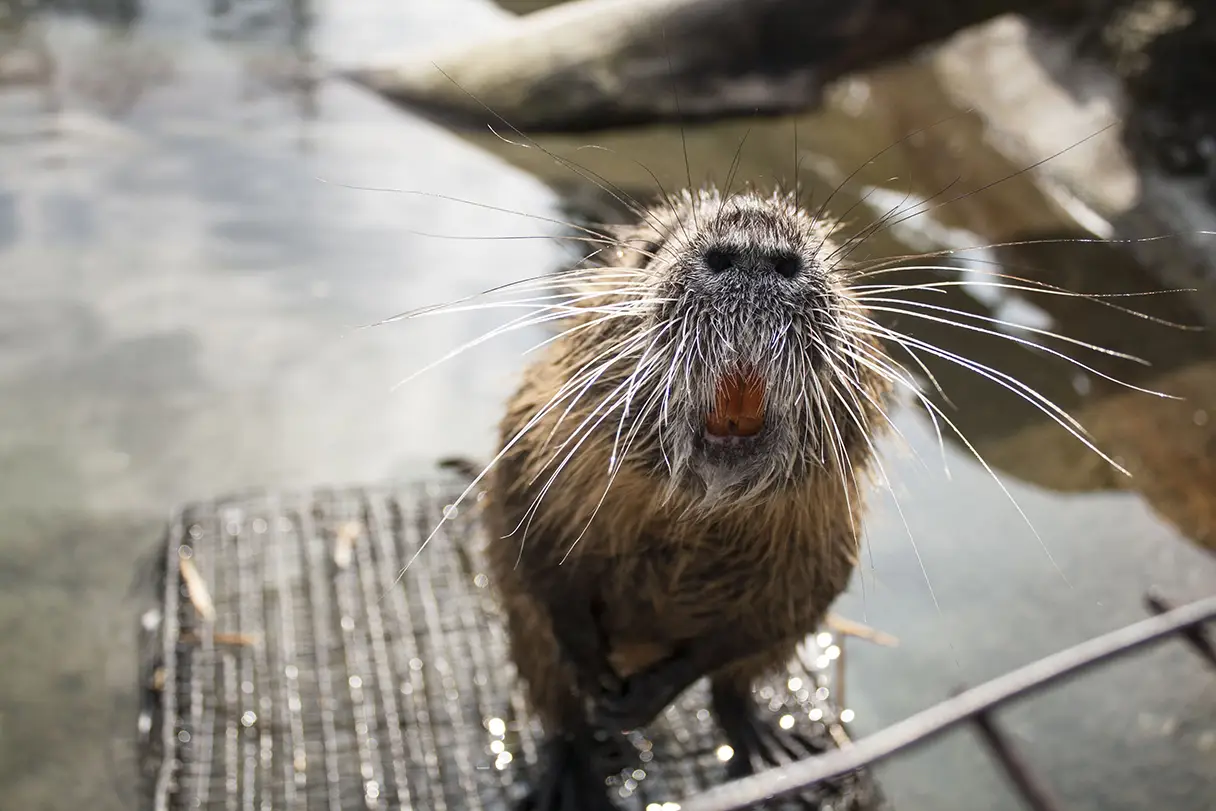 Photo: Nepomux, Pixabay
Beavers live along the Spree, Havel, and other bodies of water. They are rarely seen, but they leave behind telltale signs such as gnawed trees, dams, and their beaver lodges.
Bats are also widespread and are particularly active at dusk and dawn.
Where can you see wildlife in Berlin?
 Photo: Richard Hebstreit, Pixabay
Grunewald – Wildlife in Western Berlin
The Grunewald covers about 3,000 hectares of forest and is one of Berlin’s most important natural areas.
In addition to wild boars and deer, with a little patience you can also spot raccoons, foxes, raccoon dogs, and rare birds such as the goshawk or the colorful mandarin duck.
Best time to visit: early in the morning or in the evening
Müggelsee & Müggelberge – Experience Nature and Water
At Müggelsee and in the Müggelberge, in eastern Berlin, you can observe a diverse array of wildlife thanks to the large, contiguous forest and water conservation area. With a little patience and a pair of binoculars, you can spot numerous wild animals (beavers, deer, wild boars, foxes), birds (birds of prey, waterfowl, forest dwellers), and amphibians (pike, carp, catfish, frogs, toads).
Tip: Ideal for day trips and walks. You’ll have particularly good viewing opportunities from the pier at the Rübezahl restaurant, along the reed belt, from the Müggelturm, or on the Müggelberge Educational and Adventure Trail.
Tegeler Forest – Tranquil Nature in the North
One of Berlin’s largest forested areas. In the Tegeler Forst, you can spot a wide variety of native wildlife. Your best chances are at the wildlife enclosure there, in the adjacent wetlands, and along the shores of Lake Tegel and the Tegeler Fließ.
Here you can spot the following animals: red deer and fallow deer, wild boars, mouflons, water buffalo, beavers, waterfowl, turtles, foxes, pheasants, birds, birds of prey, ...
Tip: At the entrance to the wildlife enclosure, there are feed dispensers where you can get suitable wildlife feed for a small fee.
Karower Ponds – A Birdwatcher's Paradise
In the Karower Teiche Nature Reserve in northeastern Berlin, you can observe a particularly large number of birds (over 60 species), amphibians, mammals (deer, foxes, hares), and insects. The approximately 130-hectare area, consisting of former peat pits and fish ponds, offers ideal conditions.
A special feature: Rare English cattle graze year-round on the open meadows, maintaining the area as “living lawnmowers.”
Wildlife in Berlin's Parks – Nature in the Heart of the City
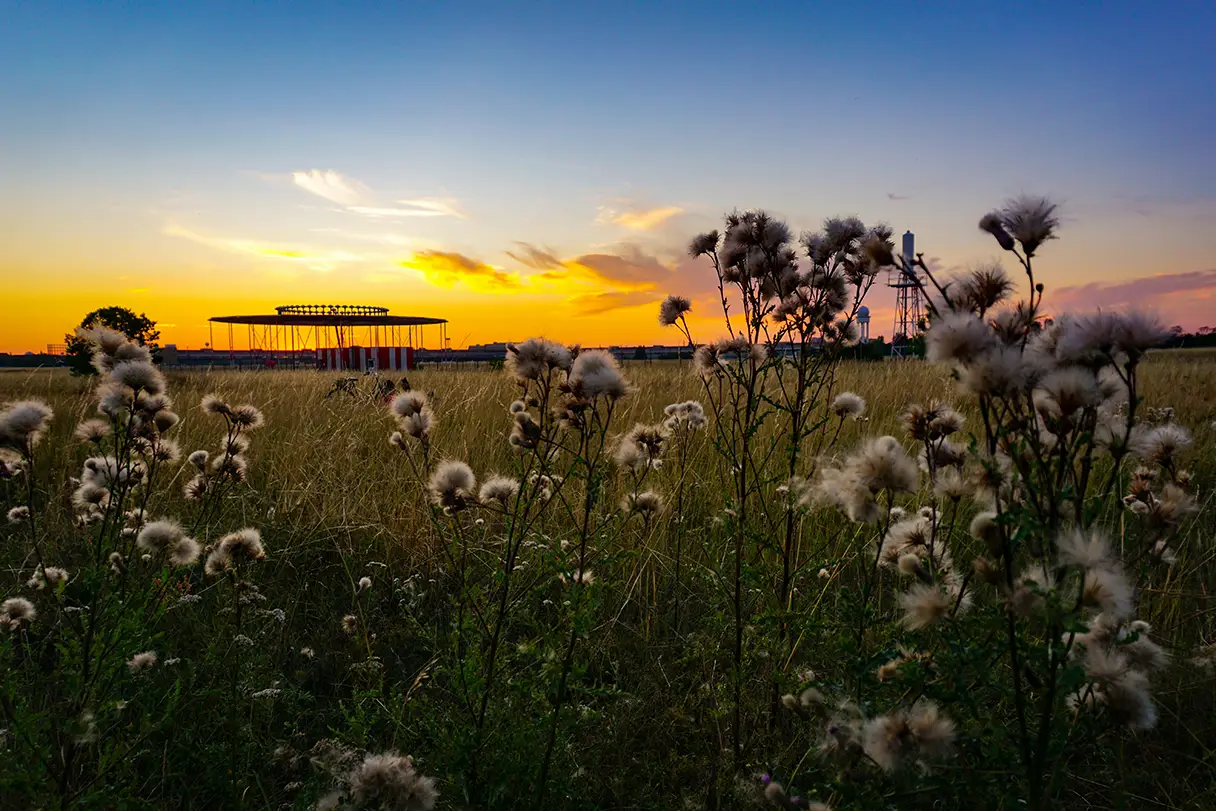 Photo: Ralf Knuefer, Unsplash
Tiergarten Berlin
Located right in the heart of the city, yet surrounded by nature:
- Foxes, squirrels, raccoons, weasels, hares, and various species of bats (e.g., pipistrelles)
- Waterfowl, birds of prey such as hawks and buzzards, as well as ravens, goldfinches, and reed warblers
- Turtles in small bodies of water, e.g., near the teahouse
Tempelhofer Feld
A unique natural area on the site of a former airport:
- Open landscapes
- Approximately 100 sheep (Skudden and Coburg red sheep), which roam the grounds as living landscape stewards
- Various bird species: The field is an important breeding ground for endangered species. The field is home to the skylark (the field’s “mistress”), the red-backed shrike, the corn bunting, the wheatear, as well as kestrels and owls (such as long-eared owls)
- Insect diversity: numerous butterflies (including the swallowtail), bees, bumblebees, and a diverse population of grasshoppers and crickets (including the rare Italian grasshopper)
- Foxes, as well as field mice and rabbits
- With a little luck, sand lizards can be spotted in the sandy areas and dry grasslands
Volkspark Friedrichshain
A classic Berlin city park:
- Birdlife: Thanks to old stands of trees and specially designed nesting boxes, more than 50 bird species find breeding grounds here.
- Birds of Prey & Owls: Goshawks, sparrowhawks, tawny owls (including at Kleiner Bunkerberg)
- Woodpeckers & Songbirds: Green Woodpeckers, Blue Tits, Great Tits, Starlings, Sparrows, Pied Flycatchers, and Tree Creepers
- Waterfowl: Swans, Little Grebes, and other duck species at the Swan Pond
- Small wildlife such as red foxes and squirrels
- Peaceful green spaces
The 5 Best Places to See Wildlife in Berlin
- Grunewald – Wild Boars, Deer, Foxes
- Müggelsee – Waterfowl & Beaver Tracks
- Karower Teiche – Birdwatching
- Tegeler Forst – Forest Animals & Tranquility
- Tiergarten – Nature Right in the Heart of the City
Berlin Tips: The Perfect Way to Combine Wildlife and Sightseeing
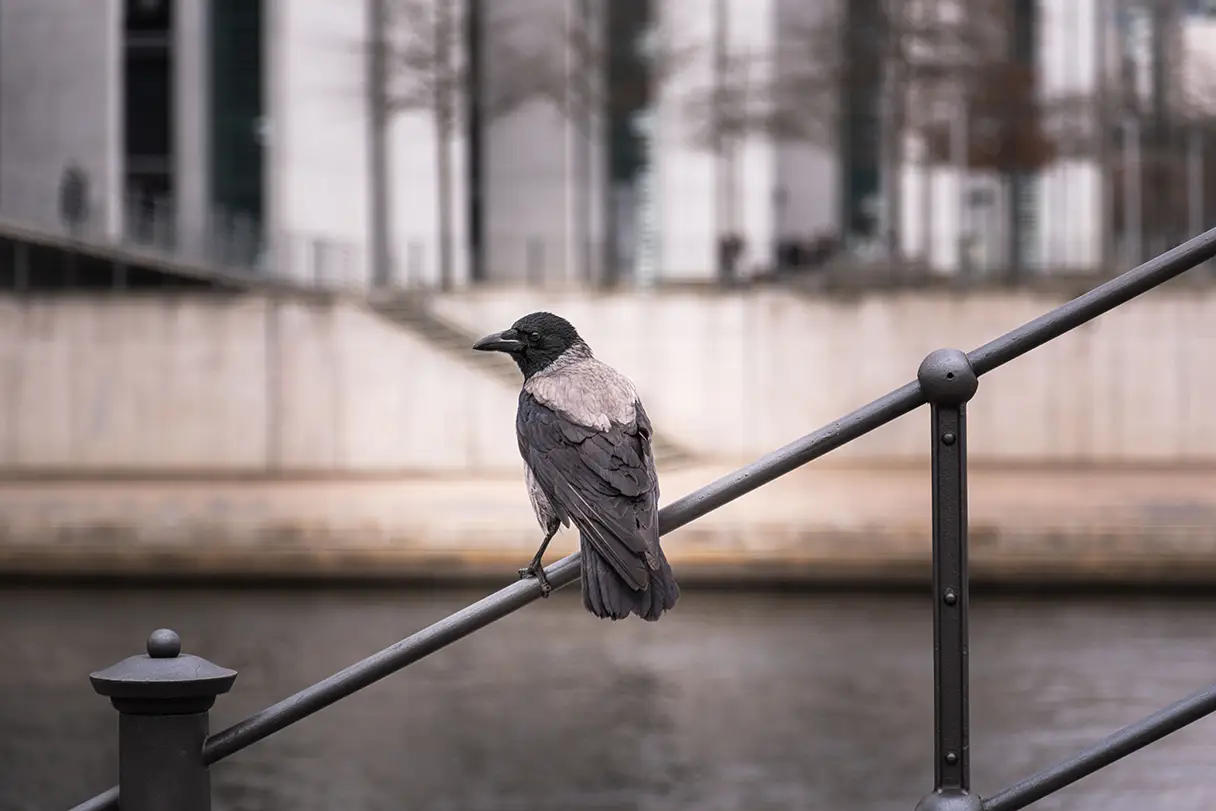 Photo: Lonny Photography, Pexels
Museum Island → Tiergarten
After enjoying some culture downtown, you can reach the Tiergarten—with its abundance of nature—in just a few minutes.
Kurfürstendamm → Grunewald
From shopping straight into the woods—a quick transition from the city to nature.
Downtown → Müggelsee
The perfect day trip to the green eastern part of Berlin.
Tempelhofer Feld → Kieze
Urban nature combined with Berlin city life.
Traveling Sustainably by Public Transportation
Alle NatuThese locations are easily accessible by bus and train—perfect for your EasyCityPass Berlin. Do you still need a ticket for public transportation? With the EasyCityPass Berlin, you have your ticket for public transportation in Berlin and the surrounding area, and you can take advantage of numerous discounts from our tourism partners. Buy the EasyCityPass Berlin directly from our online store!
Are there wolves in Berlin?
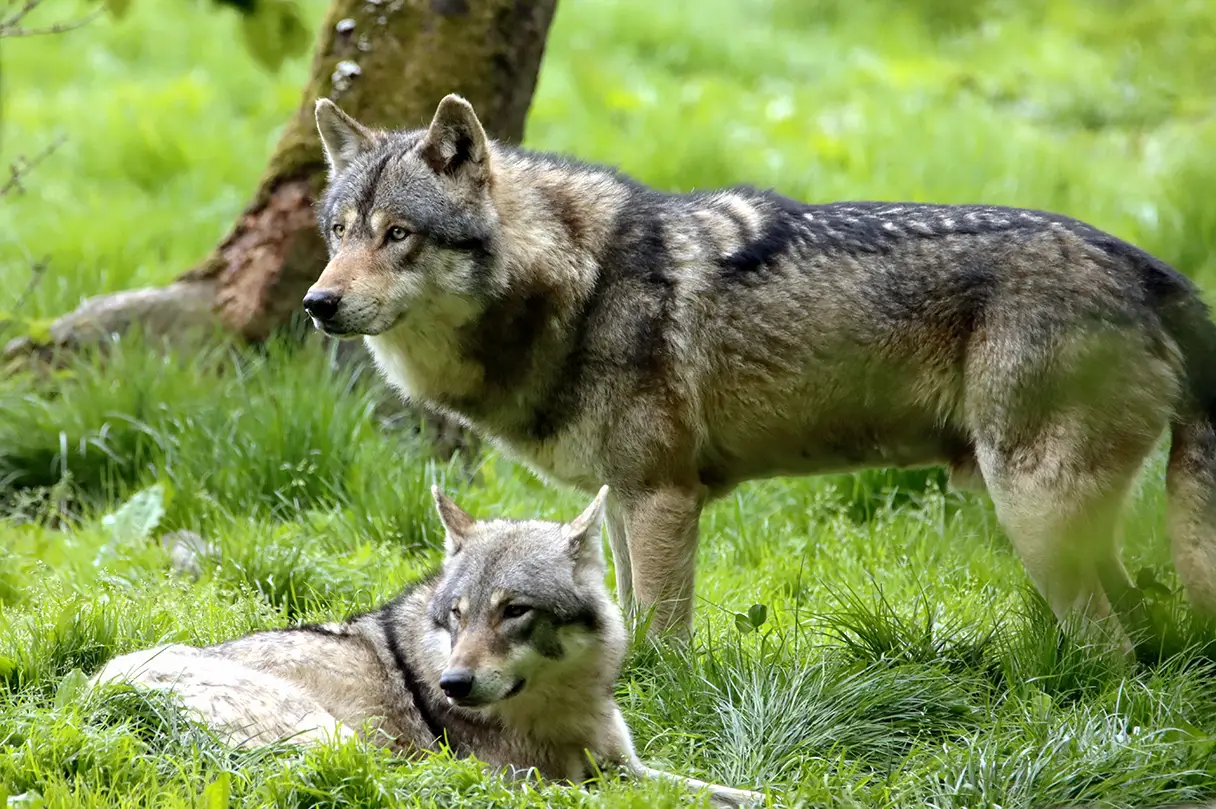 Photo: Sunny67, Pexels
Wolves are once again part of Germany’s wildlife landscape, but there are currently no permanently resident wolf packs within Berlin itself. The city is not a typical habitat for wolves, as they prefer large, quiet, and sparsely populated areas.
However, the situation in the region surrounding Berlin is fascinating: In Brandenburg, which borders Berlin directly, several wolf territories have established themselves in recent years. The animals have been steadily expanding their range since their return to Germany (in the late 1990s).
This means:
- In theory, wolves may be found in the wider Berlin area
- However, direct sightings are extremely rare
- The animals consistently avoid humans and are very shy
Visitors need to know: Even if a wolf strays into populated areas, it usually retreats immediately upon sensing human presence.
If you do happen to spot a wolf:
- Stay calm and keep your distance
- Do not approach or chase the animal
- Be sure to keep dogs on a leash
- Do not feed or lure the animal
In practice, Berlin is not a wolf habitat—but rather a city located at a safe distance from Brandenburg’s wild wolf population.
Berlin Wildlife Emergency Hotline – What to Do If You Find Injured or Helpless Animals?
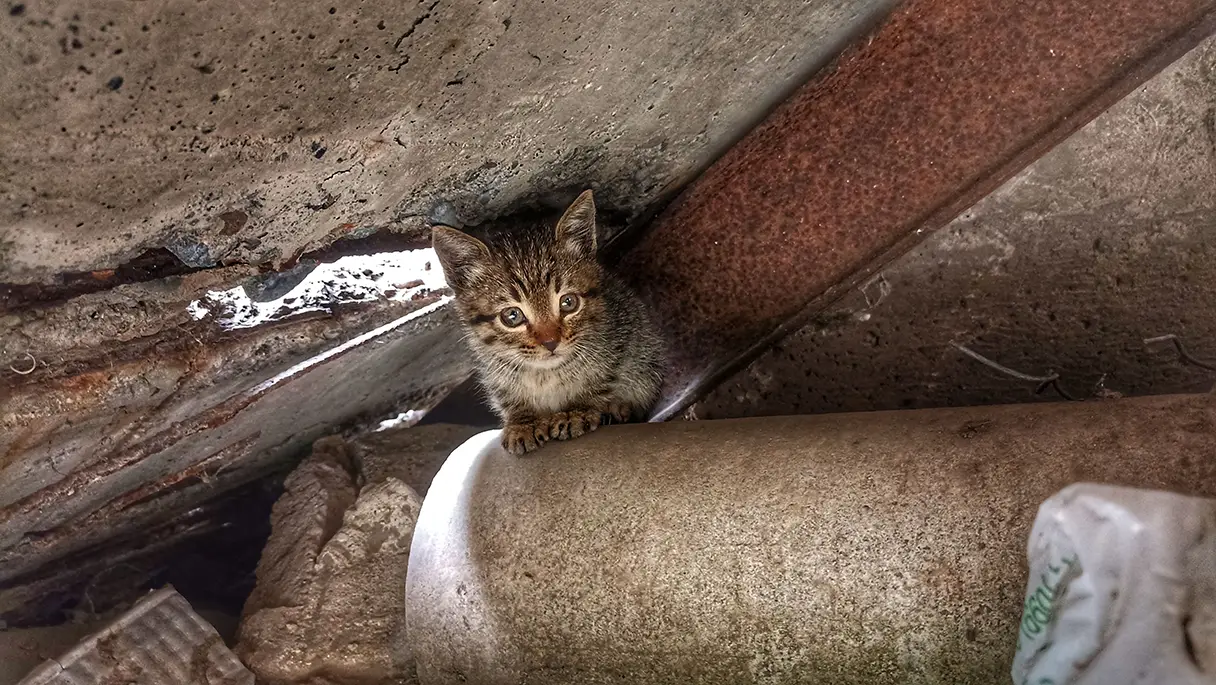 Photo: Тигран Кочинян, Pexels
If you spot a wild animal in Berlin that appears to be in distress, immediate intervention isn’t always necessary. Many young animals may seem to be alone, but they aren’t abandoned—for example, fawns or young foxes whose mothers are simply out looking for food.
Nevertheless, there are situations in which help is important:
- Visible injuries (blood, broken wings or legs)
- The animal is no longer moving or appears lethargic
- Danger from traffic or construction sites
- Young animals in highly dangerous locations
Here's what you should do:
- Keep your distance and do not touch the animal
- Observe the situation from a safe distance
- If necessary, keep an eye on the source of danger (e.g., the road)
- Notify the appropriate authorities (wildlife rescue, animal protection, or fire department, depending on the situation)
Important Phone Numbers for Wildlife Emergencies in Berlin
NABU Wildlife Hotline (Mammals): → 030 - 54 71 28 91
Responsible for questions regarding wild boars, foxes, raccoons, martens, and wild rabbits.
NABU Wild Bird Rescue Center: → 030 - 54 71 28 92
The right place to turn to if you've found an injured or helpless wild bird.
Official Animal Shelter (Tierheim Berlin): → 030 - 76888 - 200 oder -201
The direct line to the animal rescue center for urgent emergencies outside of NABU's office hours.
Above all, it is important not to take matters into your own hands without expert knowledge. An incorrect intervention often causes animals even more stress or results in their being separated from their parents.
Want some food? – No, thanks!
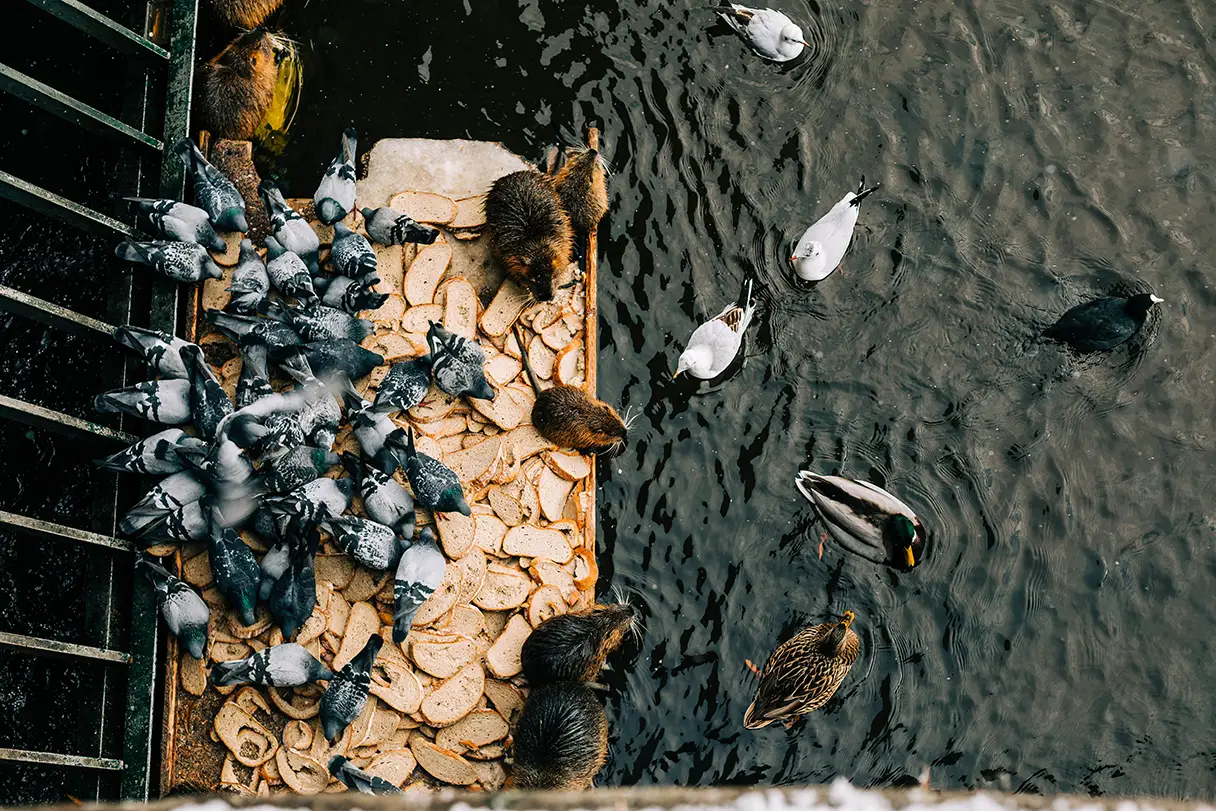 Photo: Helen1, Pexels
Feeding wild animals in Berlin is not only discouraged but can also have serious consequences for the animals and urban ecosystems.
Many people mean well when they feed ducks, foxes, or even wild boars. But that is precisely what often leads to problems:
Effects of feeding:
- Animals lose their natural wariness of humans
- They become dependent on human food
- The wrong food can cause diseases
- conflicts arise in urban areas (e.g., wild boars rummaging through trash)
Feeding wild boars is particularly problematic. Once animals learn that they can find food in residential areas or parks, they return more frequently and permanently change their behavior.
Even seemingly harmless foods like bread are unsuitable for many wild animals and can cause digestive problems. Please only observe wild animals—do not feed them. This protects both the animals and yourselves.
Curious Stories About Wild Animals in Berlin
Berlin has a long tradition of unusual animal stories—not only in the wild, but also in connection with the zoo, wildlife parks, and city life.
The “Lion of Berlin” – a spectacular false alarm
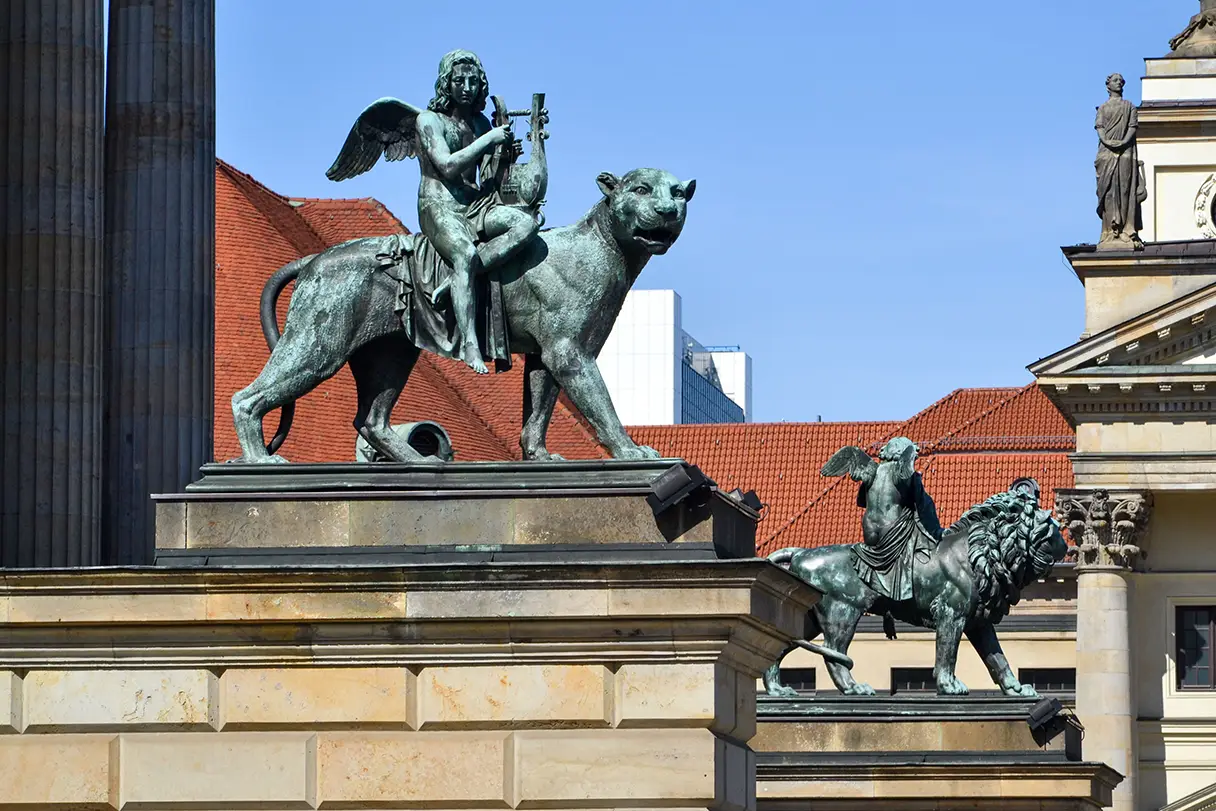 Photo: Juan Moccagatta, Pexels
One of the best-known modern examples is the so-called “Berlin Lioness.” In the summer of 2023, a supposed big cat was sighted in the southern suburbs of Berlin. The news spread in no time and triggered a large-scale search operation involving police, hunters, drones, and helicopters.
The region was under heightened scrutiny for a time, as it was assumed that a potentially dangerous predator was near the city.
However, after about 30 hours of searching and numerous analyses, it turned out that it was most likely a wild boar that had been mistaken for a large predator at dusk.
The case was later examined both scientifically and in the media, and it illustrates very well how easily misidentifications can occur in urban natural areas—especially in low light and during fleeting sightings.
Knut – Berlin's Most Famous Polar Bear
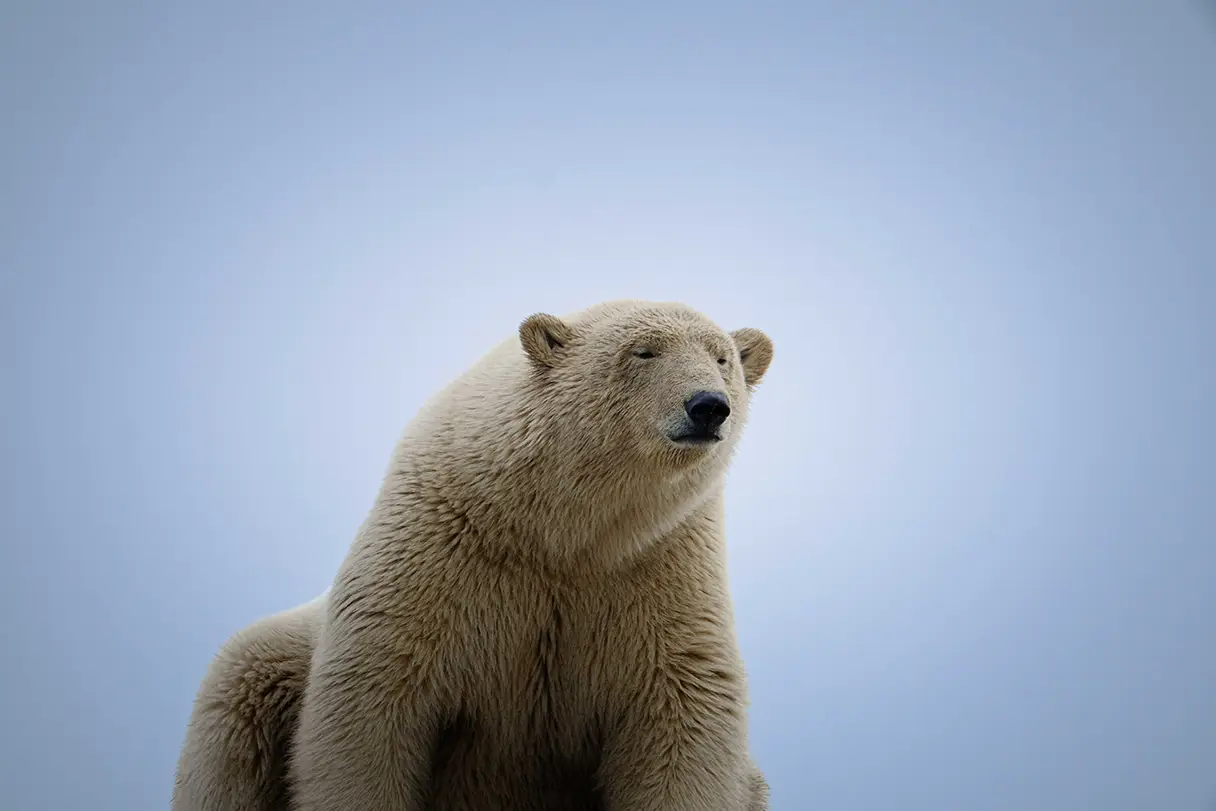 Photo: Francesco Ungaro, Pexels
One of the world’s most famous animal stories from Berlin is that of Knut, the polar bear from the Berlin Zoo.
Knut was born at the zoo in 2006 and was hand-raised by zookeepers after his mother initially rejected him. This turned him into an international media sensation. His closest zookeeper was Thomas Dörflein. Through his intensive care during the first few months, Dörflein became the polar bear’s primary caregiver and gave him the name “Knut.”
Millions of people worldwide followed his development:
- Daily crowds of visitors at the zoo
- Global media coverage
- Merchandise and documentaries
- Discussions about hand-rearing wild animals
Knut became a symbol of the Berlin Zoo—but also of the extent to which wild animals can be influenced by human contact.
He died in 2011 at a surprisingly young age, but remains one of the most famous animals ever to have lived in Berlin.
The Gorilla at the Natural History Museum – Berlin's Famous Specimens
Another extraordinary case is the famous gorilla at the Museum of Natural History in Berlin.
Bobby was a male gorilla who, on March 30, 1928—at the age of about two—became the first gorilla to arrive at the Berlin Zoological Garden and continues to grace the zoo’s logo to this day.
Animal writer Paul Eipper had acquired the baby gorilla—who weighed just 16 kilograms at the time—from an animal broker in Marseille and transported him to Berlin by train. Under the care of zookeeper August Liebetreu, Bobby grew into a stately, fully grown gorilla weighing 262 kilograms. Bobby quickly became a favorite among visitors to the Berlin Zoo. He died on August 1, 1935.
The specimen is one of the museum’s most impressive exhibits and illustrates how closely research, natural history, and the city are intertwined.
The animal is not a “living resident of Berlin,” but it holds special significance:
- A scientifically significant specimen from the early days of the collection
- Part of the historical research on African wildlife in Europe
- Today, a central exhibit in the museum
This makes it one of the best-known “encounters with animals” in Berlin — albeit in a scientific and cultural sense.
Peacock Island – wild peacocks that seem to be from another world
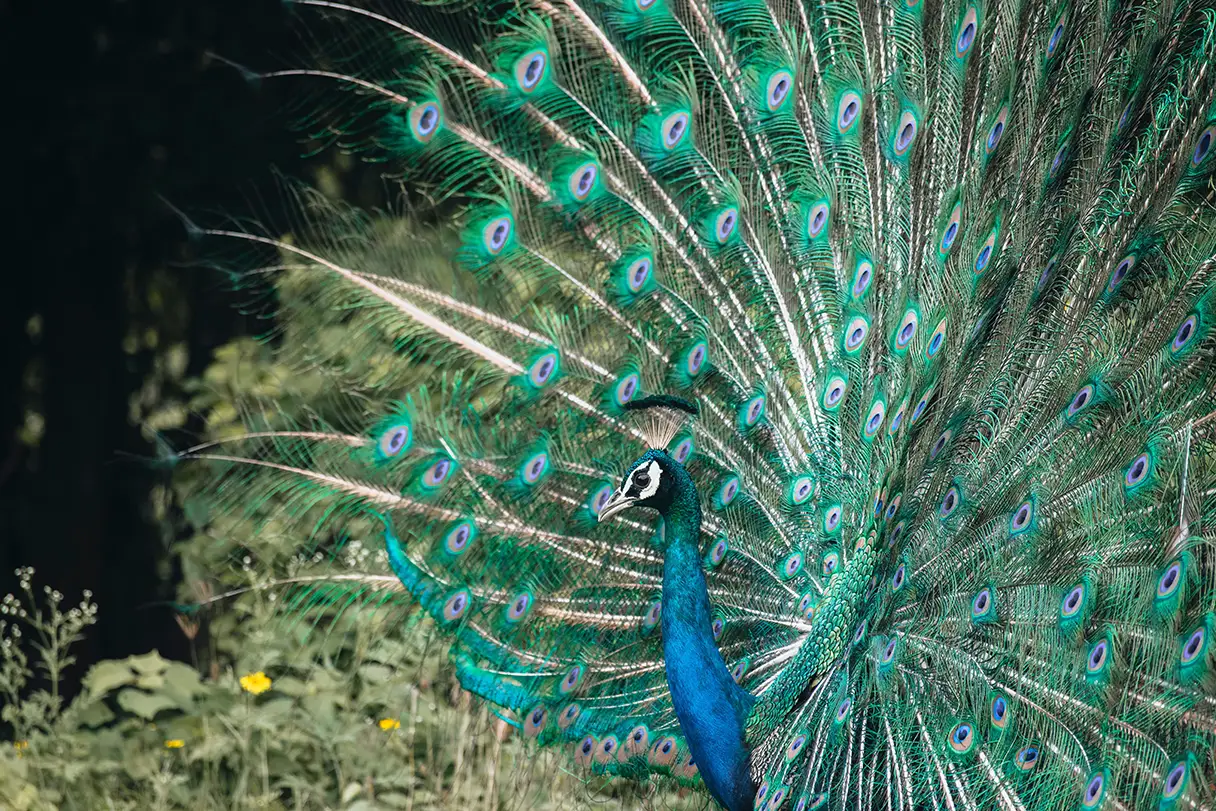 Photo: Jetkerim, Pexels
You’ll find another unique chapter in Berlin’s wildlife on Peacock Island in the southwest of the city. The island on the Havel River is part of a UNESCO World Heritage Site and feels almost like a little trip back in time: a historic castle, enchanting parks, and peacocks roaming freely.
The animals have lived here since the 18th century and have become a true symbol of the island. The male peacocks are particularly striking; during mating season, they fan out their impressive tail feathers, creating a spectacular display of color.
What’s curious is that the peacocks roam completely freely across the entire island and are accustomed to visitors. Nevertheless, they are not pets, but wild animals living in a strictly protected natural and cultural landscape. Nature, history, and wildlife merge here to create an almost fairy-tale-like place right in the heart of the capital region.
The Sheep in the Charlottenburg Palace Gardens – Animal Landscape Stewards in the Heart of Berlin
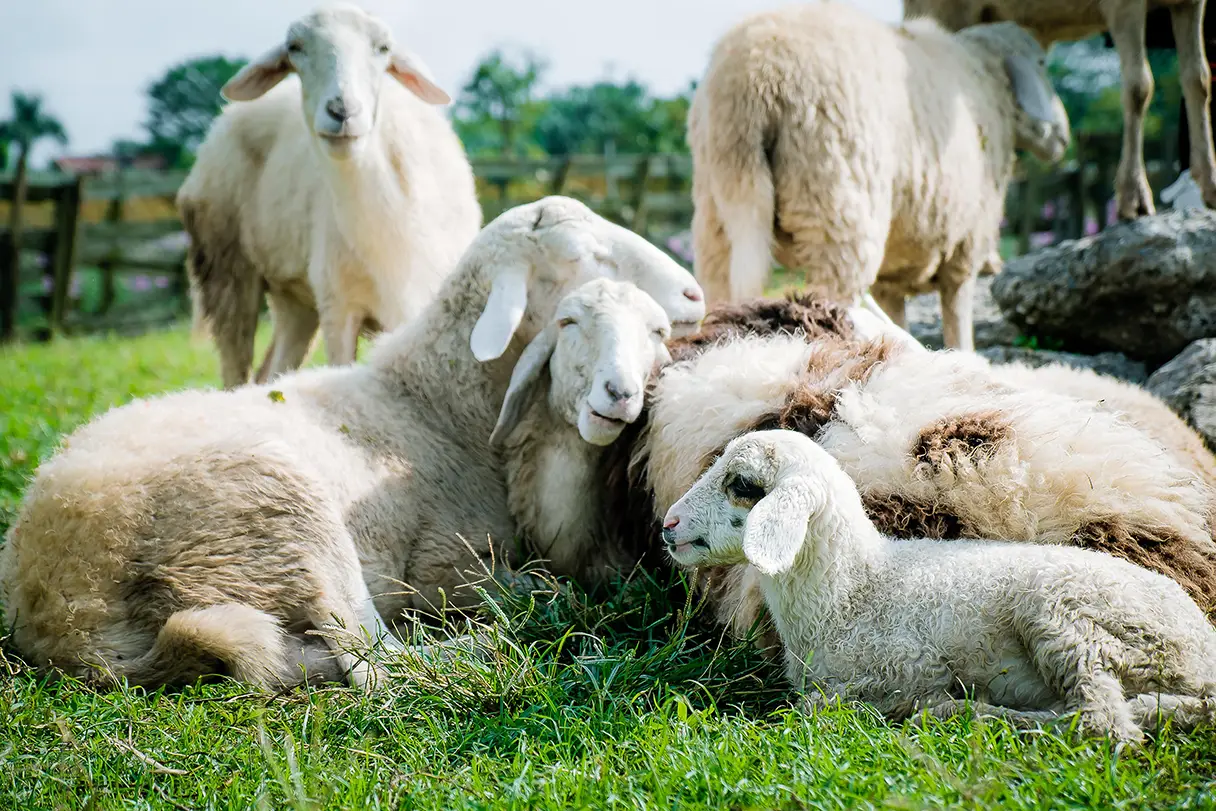 Photo: Dinh Khoi Nguyen, Pixabay
One of Berlin’s most charming and, at the same time, most unusual animal stories takes place in the Charlottenburg Palace Gardens. For several years now, sheep have been grazing regularly on the expansive meadows of this Baroque park, right in the heart of Berlin and directly adjacent to one of the city’s most important historic palaces.
The animals are specifically used to maintain the green spaces in a natural way. Instead of machines, the sheep perform what is known as “biological lawn care”: they keep the grass short, promote biodiversity, and ensure that the meadows are not overgrazed or compacted too much.
Depending on the season, there are about 40 to 70 animals living there, which can be seen roaming the park from time to time. This often comes as a surprise to visitors because the palace setting and the sheep grazing combine unusually here: historic architecture meets authentic urban nature.
The Berlin Bear—the city's symbol
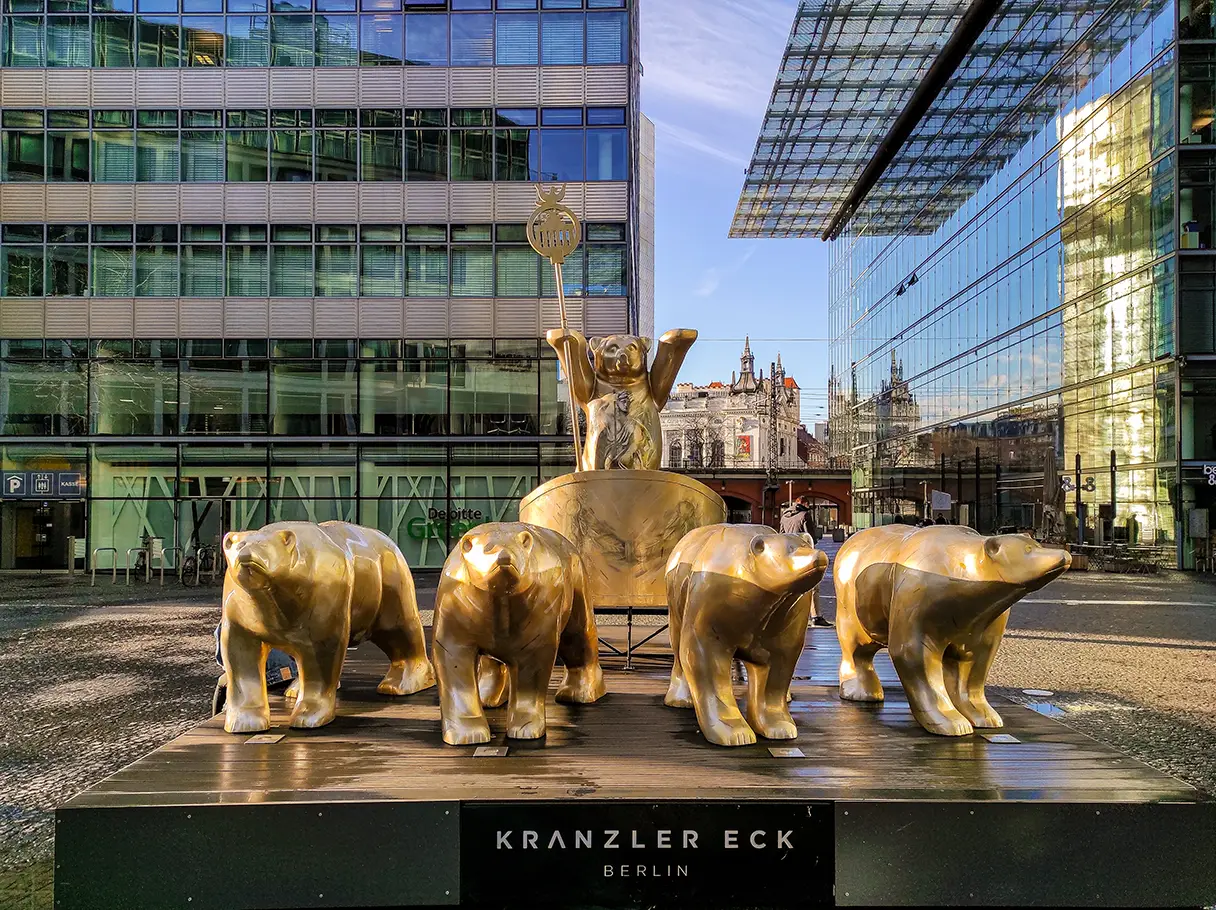 Photo: Stefanie Jost
Even though you won’t come across it in parks or forests, the Berlin bear is inextricably linked to the city and is one of Germany’s most famous city symbols.
The bear has been Berlin’s heraldic animal since the Middle Ages and can still be seen everywhere in the cityscape today: on coats of arms, souvenirs, monuments, and even as a work of art in public spaces. Its exact origin is not clearly documented historically, but for centuries it has stood for strength, independence, and the city’s identity.
What’s interesting here is the contrast:
- While real wild animals such as foxes, wild boars, and beavers define the “real wild Berlin” today,
- the Berlin Bear stands as a cultural symbol of the city itself.
This is particularly evident in initiatives like the “Buddy Bears,” in which bear figures are designed by artists and displayed throughout the city.
In this way, Berlin uniquely combines real urban nature and wildlife with a powerful cultural animal symbol.
The Berlin bear is thus the perfect finale to your journey through the wild side of the capital. An animal that doesn’t roam through forests, but embodies the very identity of the city itself.