 Photo: Hans, Pixabay
Experience Vienna barrier-free - is that possible?
Interesting facts for a barrier-free Vienna experience
Vienna is one of Europe’s most popular city destinations. The Austrian capital captivates visitors with its magnificent architecture, world-famous museums, cozy coffeehouses, and a unique blend of history and modernity.
But how accessible is Vienna? Many travelers who use wheelchairs or walkers, have limited mobility, or have special needs want to know before their trip which attractions are accessible, how they can get around the city, and what they should keep in mind when planning.
The good news: Vienna offers numerous options for an accessible stay. The public transit system allows for flexible travel, many museums and attractions have adapted their offerings, and there’s an increasing amount of helpful information available for trip planning.
If Viennese people sometimes seem a bit grumpy, it’s just their “Wiener Schmäh”—a sense of humor that’s full of warmth and openness. It has always been important to the Viennese that everyone can live here according to their own style and abilities.
In this article, we’ll show you how to explore Vienna with accessibility in mind: from getting there and using Vienna’s public transit to accessible sights, plus practical tips for hotels, dining, and planning your own trip.
- Accessible Travel in Vienna: Using Public Transportation
- Barrier-free access to Vienna from the airport and train station
- sights and
- restaurants and hotels
If the Viennese sometimes seem a little grumpy, this is just their Viennese charm, which is full of heart and openness. It has always been important to the Viennese that everyone can live here according to their own style and possibilities. This also means that the city, its sights, and services are accessible to everyone, regardless of physical or mental limitations.
1. Accessible Travel in Vienna: Using Public Transportation
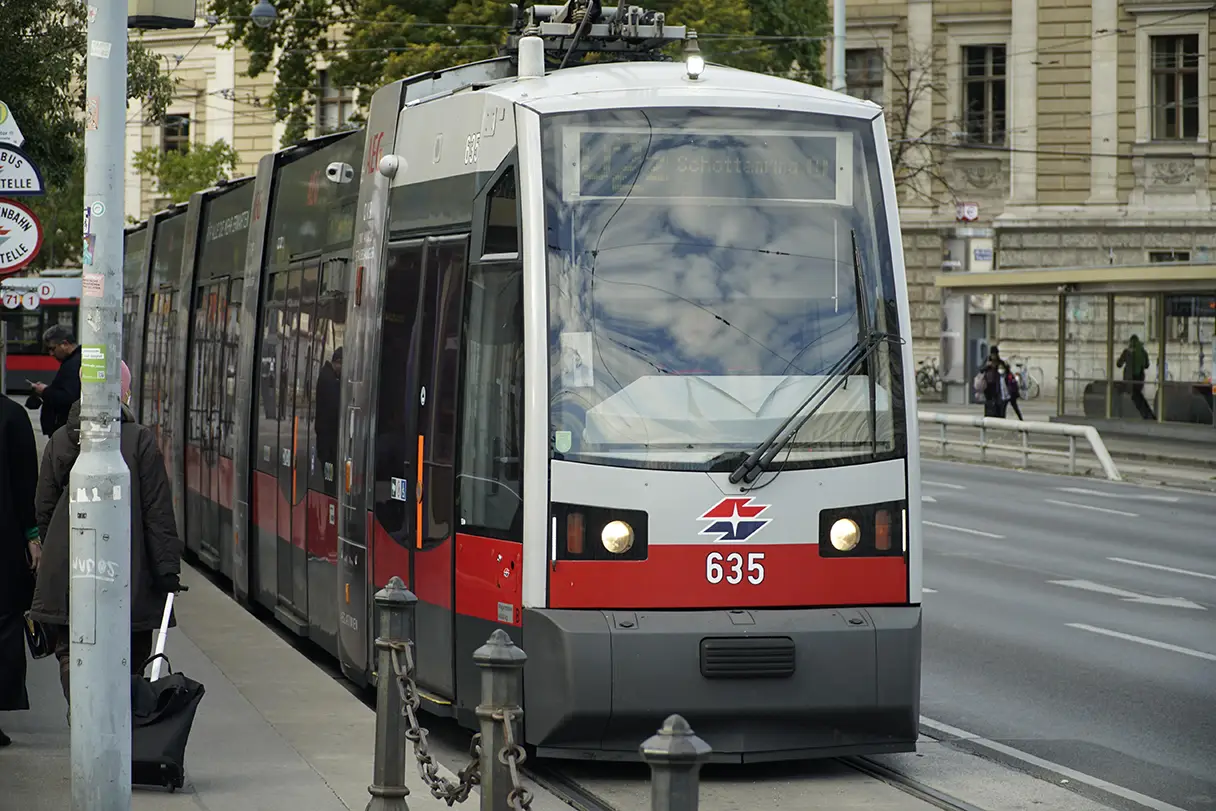 Photo: Beauty of Nature, Pixabay
Convenient transportation is the key to a relaxing city trip. Vienna has one of the largest public transit networks in Europe and offers many ways to explore the city without a car.
The public transit network is primarily operated by Wiener Linien and the Austrian Federal Railways (ÖBB). Together, they ensure that you can easily reach many sights, museums, and day-trip destinations. While Wiener Linien serves the city with subways, trams, and buses, ÖBB complements the network with commuter rail and regional train connections within Vienna and to the surrounding region.
Which modes of transportation in Vienna are accessible?
Many vehicles and stations are designed to be as accessible as possible. These include, among others:
- Subway: All subway stations are accessible and equipped with elevators or other low-barrier access options. It is recommended to check the current status of the elevators before your trip.
- Trams: Modern low-floor trams allow for easy boarding and offer ample space for wheelchairs, walkers, and strollers.
- Buses: Most buses feature low-floor technology and fold-out ramps.
- Suburban and regional trains: Many stations and trains are equipped with accessibility features and provide a convenient complement to the subway, buses, and streetcars, especially for trips to the airport or to more distant neighborhoods.
- Passenger information: Digital displays and audio announcements of stops make it easier to find your way during the trip.
Especially at historic stations or on older trains, the amenities may vary. If you’re traveling with a wheelchair or walker, you should therefore plan your route in advance and find out about any possible restrictions.
Stay flexible and mobile with the EasyCityPass Vienna
For visitors, the EasyCityPass Vienna offers a convenient way to get around flexibly during your stay. Depending on the validity period you choose, you can use public transportation as much as you like.
This is especially helpful if you want to adjust your daily plans on the fly or visit various accessible attractions in different parts of the city. Instead of buying individual tickets, you can explore Vienna flexibly by subway, tram, and bus—and, within the respective coverage area, also by S-Bahn and regional trains.
In addition, the EasyCityPass Vienna offers benefits at numerous tourist partners throughout the city. These include attractions and cultural venues that provide accessible entry or special services for visitors.
EasyCityPass benefit: Just hop on and enjoy Vienna—your ticket is valid for all public transit. Don’t have an EasyCityPass Vienna yet? Buy your EasyCityPass Vienna directly from our online shop!
Getting Around Vienna in a Wheelchair or with a Walker
To make your travels as hassle-free as possible:
- When planning your route, allow for a little extra time.
- Before taking longer trips, check whether elevators are available at your desired stops.
- Use direct routes whenever possible to avoid frequent transfers.
- If you have special needs, check with the respective attraction or transit agency in advance.
Current Disruptions to Public Transportation in Vienna
To help you plan your trip as effectively as possible, you should use the following websites to check for current service disruptions:
- Route Info ÖBB Scotty: ÖBB Scotty is the Austrian Federal Railways’ free route planner for public transportation. It plans door-to-door trips, uses all schedules in Austria, and displays real-time data. You can use Scotty as a smartphone app or via the web version. It’s free to use and requires no registration.
- Wien.Öffi.at: is a handy online information site for public transit in Vienna. It shows you the current service status of Wiener Linien and ÖBB in real time.
2. Barrier-free access to Vienna from the airport and train station
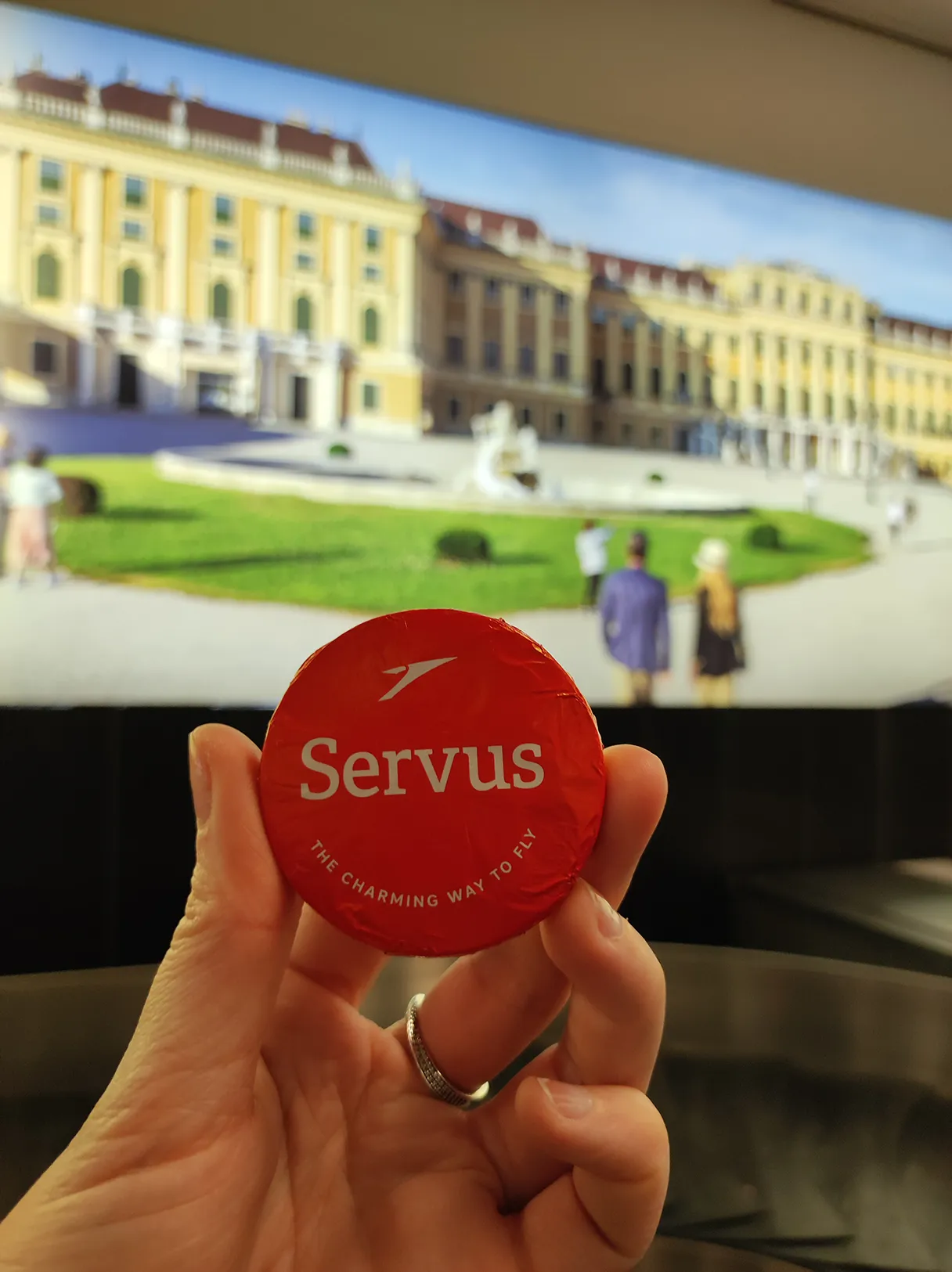 Photo: Stefanie Jost
A relaxing trip begins the moment you arrive in Vienna. Both Vienna International Airport and the city’s main train stations are equipped to accommodate travelers with varying needs and offer a range of services to ensure barrier-free travel.
Accessible Travel from Vienna Airport
Vienna International Airport is located about 20 kilometers outside the city center and is considered 100% accessible. Pictograms and wayfinding systems make it easy to find your way around, and monitors at eye level ensure that flight information is easy to read. The airport is well connected to the public transportation network. For travelers using wheelchairs, walkers, or with limited mobility, there are several options for getting into the city comfortably.
Accessible public transportation options include, among others:
- S-Bahn: The S7 S-Bahn line connects the airport with central transfer points in Vienna.
- Railjet trains: ÖBB’s long-distance trains also offer connections between the airport and Vienna Central Station as well as Wien Mitte.
- City Airport Train (CAT): The direct airport train offers a fast but also expensive connection to Wien Mitte.
If you want to get around flexibly right from the moment you arrive, you can use our EasyCityPass Vienna + Airport. It combines the trip from the airport to the city with unlimited use of Vienna’s public transit system during the selected validity period. Of course, you’ll also receive discounts at our many tourist attractions. This way, after you arrive, you can hop right on the subway, tram, or bus to head to your accommodations or your first destination.
Vienna Central Station and major transportation hubs
Vienna Central Station is considered the most modern in Austria and is one of the city’s most important transportation hubs. It offers a modern, accessible infrastructure. Wide entrances, elevators, and well-signposted pathways make it easy to find your way around. If you need ÖBB’s mobility service, please register here 24 hours before your trip: msz@pv.oebb.at
From the station, you can access numerous connections within Vienna as well as to many other destinations in Austria and Europe. The connection to the public transit network allows for easy onward travel to the city’s various districts.
The Vienna Mitte, Vienna Westbahnhof, and other central stations also offer various services to assist travelers with limited mobility.
Public transportation (S-Bahn, U-Bahn, bus, tram)
Public transportation is largely barrier-free. Wiener Linien offers low-floor buses and trams as well as elevators and ramps in subway stations.
ÖBB's S-Bahn and regional trains have been converted to barrier-free accessibility for several years.
If you come across underground and suburban trains that do not yet meet the barrier-free requirements, please wait for the next vehicle and apologize for the inconvenience. Vienna's public transportation network offers one of the densest frequency networks in Europe.
Sights in Vienna
Many of Vienna's sights are barrier-free. They offer wheelchair-accessible entrances, elevators, and special guided tours for people with visual or hearing impairments. The following tourist attractions are just a few examples:
- Kunsthistorisches Museum with its tactile tours, guided tours in sign language, guided tours in simple language, guided tours for people with dementia
- (for the author) the most beautiful building in Vienna, the Upper Belvedere: It offers, among other things, of his most famous work "The Kiss" by Gustav Klimt's tactile reliefs.
- Schönbrunn Palace, the Dom Museum Wien, and the Roman Museum provide multimedia guides in Austrian Sign Language.
- The Wien Museum on Karlsplatz is new, outstandingly good, and ambitious. The Wien Museum attaches great importance to inclusion and offers barrier-free access. For example, tactile floor information guides visitors from the two subway exits at Karlsplatz through Resselpark to the barrier-free entrance to the museum, where tactile stations, overview maps, signposts, and door signs are labeled in Braille and tactile normal writing. Assistance dogs are allowed. Hearing amplification and digital guides are just as much a part of the repertoire as guided tours in simple or sign language.
- Yes, the famous Vienna Giant Ferris Wheel is barrier-free.
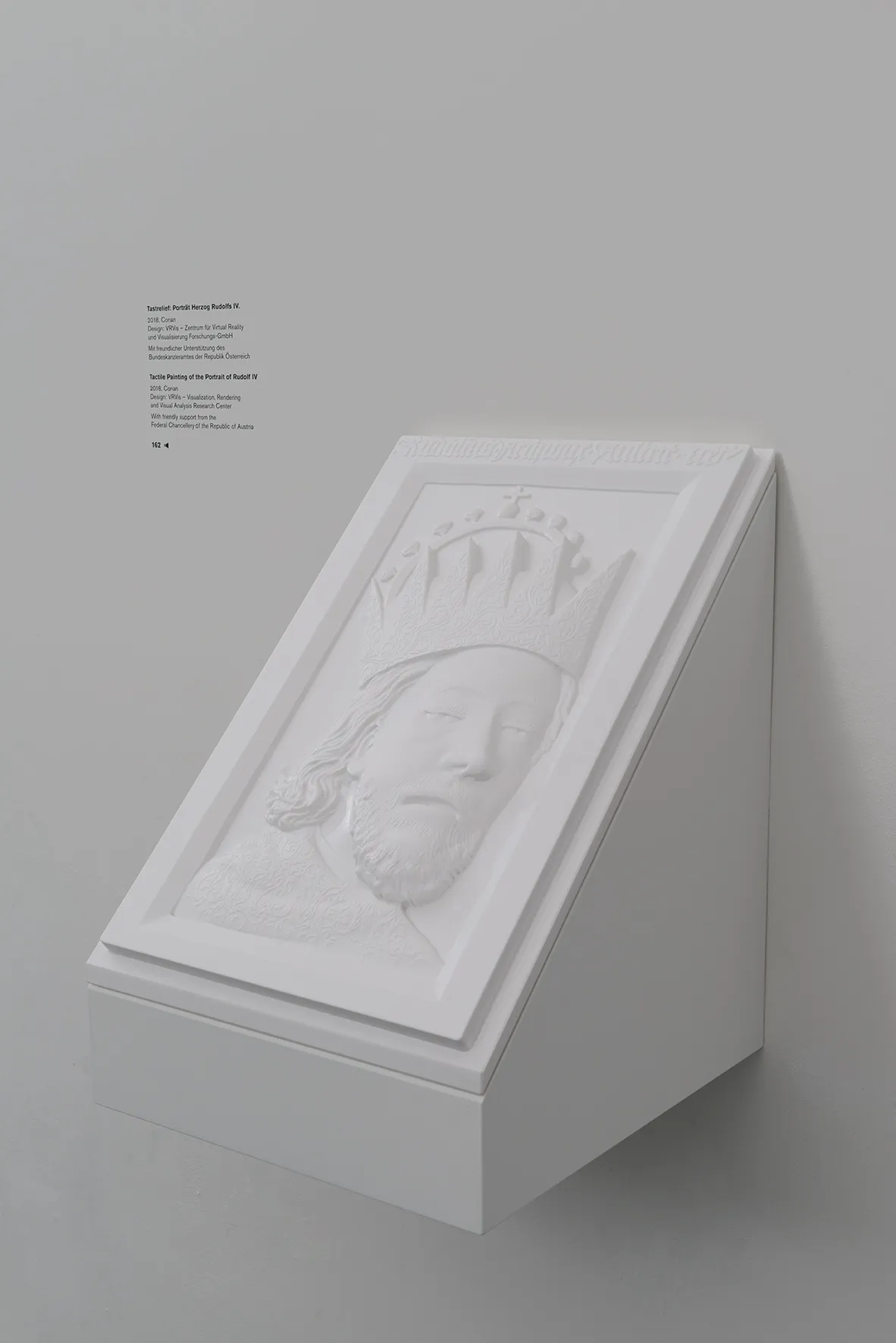 Photo: Lena Deinhardstein, Dom Museum Wien
Restaurants and hotels
There are so many barrier-free restaurants and hotels in Vienna that we can't name them all. Please check here for your culinary wishes and individual accommodation ideas on the Internet.
Vienna - a city for everyone.
Detailed information with regular updates on accessibility in Vienna can be found at www.wien.info/en/travel-info/accessible-vienna.